Crash-land your spaceship in a strange asteroid belt full of overly cheerful rock people, and your first instinct will probably be to get out—fast. But spend a little time there, and the place starts to grow on you.
That’s precisely the charm of Duck Side of the Moon, Starbrew Games’ debut cozy adventure. In it, you play as Doug, a lost duck just trying to find a home, hopping between asteroids, helping oddball locals, and killing time with a steady stream of mini-games along the way. It’s a short, easygoing throwback to old-school, family-friendly adventure games—light on challenge, but packed with enough charm and variety to make the trip worthwhile, even if a few rough edges keep it from fully taking flight.
Much of Duck Side of the Moon‘s gameplay loop involves collecting Bolts, a currency you use to repair your ship and unlock various upgrades for it, like a storage room to relieve your painfully small inventory, a closet for changing Doug’s appearance, and a basketball hoop to blow off some steam. Bolts aren’t the only resource you’ll find around the asteroid belt, though. There’s also a host of resources to mine—brightly colored materials like Gold, Rubies, and Ferrite—that can be used to craft items and upgrades for Doug while he’s out exploring. These upgrades allow you to pick up items from further away, dash around quickly, and mine tougher materials.
It didn’t take long to earn enough Bolts to unlock every ship upgrade, and that’s part of the problem. Much of the tree is dedicated to cosmetic decorations, with only a handful of upgrades meaningfully impacting gameplay or progression. I rarely felt compelled to engage with it; most upgrades went unused, and I ignored large chunks of the crafting system entirely. In fact, several resources and higher-tier mining tools aren’t required to finish the story at all, making the whole system feel more optional than rewarding.
Though its progression system feels more like an afterthought, Duck Side of the Moon‘s movement system is a highlight. While out and about, Doug can switch between flying and walking on the fly, a simple but essential feature. Flying makes traversing the asteroid belt quick and flexible, while walking keeps you grounded—literally—when precision matters. Low gravity can be frustrating, especially when you’re trying to interact with NPCs or objects and drift right past them, so being able to toggle movement modes with a button press is a smart, welcome touch.
That flexibility pays off in exploration. With so many treasure chests and hidden secrets tucked between the asteroid belt’s floating rocks, being able to move fluidly makes poking into every corner feel rewarding rather than frustrating. From bow ties and frog costumes to music tracks you can play back at your ship, there’s a steady stream of loot that makes checking every nook worth your time.
Navigating the asteroid belt without a map, though, quickly becomes a headache. The asteroid belt isn’t particularly large, but its abundance of floating islands makes it easy to lose your bearings. A simple map with markers would go a long way here. Guidance wouldn’t detract from exploration—it would make it more enjoyable. It might’ve also helped with picking up quests; there’s a quest tracker in your inventory to log all the missions you’ve already started or finished, but new ones can be hard to find unless you happen upon them.
I also ran into a handful of bugs that disrupted the experience. At one point, I couldn’t switch between tools to complete part of the main quest and had to quit to the main menu to fix it. Other times, I’d open treasure chests only to receive nothing—no item, no notification, no indication that anything had been collected at all. They’re not constant, but they’re noticeable enough to break the flow of the game.
Though the map may be small, it’s packed with things to do. Duck Side of the Moon crams in a wide range of mini-games, from bowling and shooting galleries to “The Floor is Lava.” You can spin tracks with a DJ, race through the stars, or test your timing on a hi-striker. Most of these are quick, one-and-done distractions, but the variety keeps you bouncing between NPCs and picking up new quests. Starbrew makes smart use of the limited space. Even if most NPCs are stationary, recycle animations, and don’t add much to the story, the steady stream of activities gives the asteroid belt a lively, playful energy.
Doug’s time with the geodes in the asteroid belt is ultimately about learning to let go of expectations, slow down, and find comfort where he lands. It’s a nice message, but the way it’s delivered doesn’t always land. Abrupt flashbacks and rushed resolutions make parts of the story feel unearned, and while the game’s short runtime (about four hours, to be exact) explains some of that, it never quite elevates the narrative beyond something pleasant but forgettable.
Put it all together, and you get an enjoyable, bite-sized adventure, but Duck Side of the Moon’s $20 price tag is a tough sell given its mechanical shortcomings and light scope. It’s a pleasant way to spend an afternoon—just not an easy day-one recommendation.
The post Duck Side of the Moon review – A cozy adventure that doesn’t fully take flight appeared first on Destructoid.
Dead as Disco is now available worldwide in early access, and you can tweak the in-game settings to get the best performance on your PC. The first few hours have been pretty positive, and I didn’t encounter many stutters or lags.
That said, this guide will solve the problem of any lag if you’re encountering it on your adventure.
Best Dead as Disco graphics settings
Before I deep dive into the settings, here’s how my current setup looks.
- AMD Ryzen 5600G
- NVIDIA RTX 3060 12 GB
- 16 GB of DDR5 RAM
If you visit the Steam page of Dead as Disco, you won’t find the recommended settings. The minimum requirements are present, and this guide is meant for those who have a relatively weaker setup. If you’re having a powerful set of specifications, chances are that the game is running pretty smoothly.
- Window Mode: Windowed Fullscreen/Fullscreen
- Vertical Sync: Off
- Global Illumination Mode: Off/SSGI. Don’t go for Lumen as it will consume more hardware.
- Global Illumination Quality: Medium
- Shadows: On
- Shadows Quality: Medium/Low
- View Distance: Far
- Textures: Medium
- Effects: Medium
- Reflections: Low
- Post Processing: Medium
- Anti-Aliasing: Medium
- Upscaling Method: Use what’s applicable for your device.
- Frame Generation: Off
- Anti-Lag: Yes, if you have an NVIDIA card.
- Chromatic Aberration: On
- Speed Lines: Off
- Frame Rate Limit: 60 FPS
- Frame Rate Limit (Background): 30 FPS
- Frame Rate Limit (Menu): 60 FPS
Since our aim is to get a steady performance, I have kept a cap on the frame rate. While there are higher options above 60 FPS, the limit smoothens the overall performance. I faced no lag at 60 FPS, and it’s sufficient to enjoy the game. This limit can be slightly increased once Dead as Disco receives a few post-launch updates.
Vertical Sync is another option that you should keep turned off. You gain very little from it, while keeping it turned off allows your PC to consume fewer resources. Finally, use an Upscaler as applicable since it will keep the lags at bay.
All said, Dead as Disco‘s day one performance is pretty satisfactory, and I expect it to get better once the early access version moves closer to full launch.
The post Best Dead as Disco graphics settings for no lag and max FPS appeared first on Destructoid.
Recommended Story For You :
Think of it as a GPS system for World of Warcraft

FIFA 2023 ULTIMATE TEAM MILLIONS MADE EASY
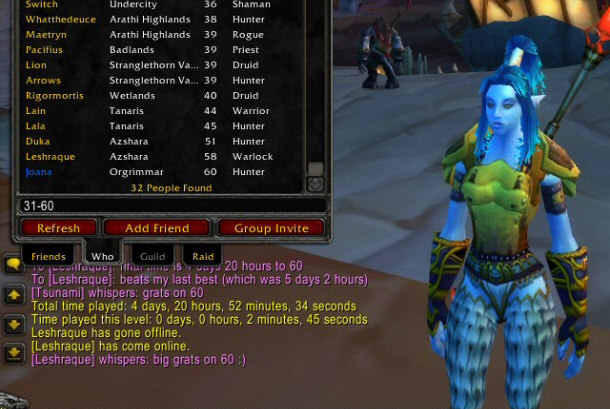
Joana's Clssic WotLK 1-80 & Era 1-60 Speed Leveling Guides

Empowering Gamers with the Ultimate Secret Gold Guide
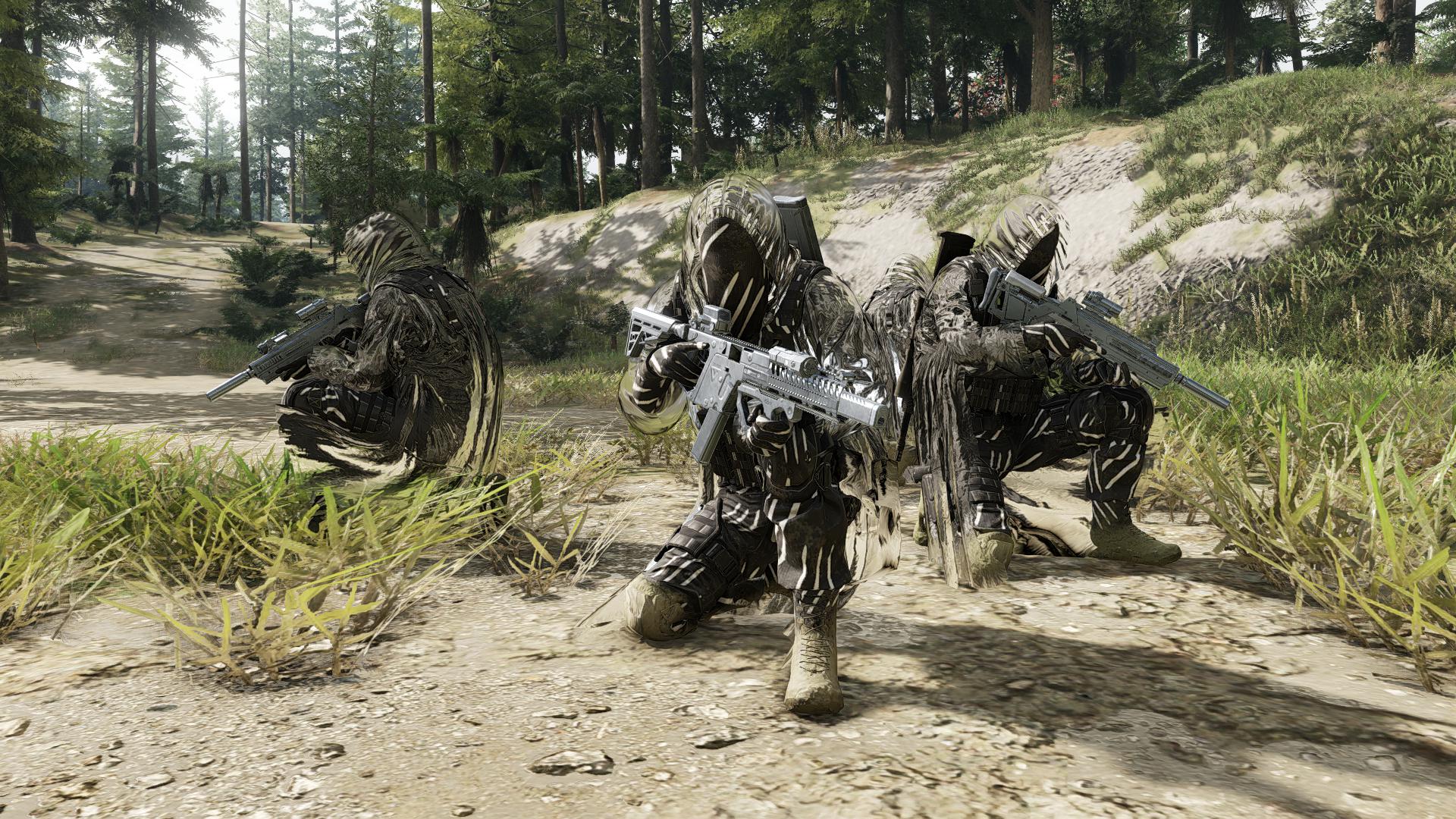
A Practical Guide For Tactical Gaming

Terra Game - Where Adventure Awaits!