🌊 Catastrophic Texas Flash Flood: Hunt, Camp Mystic, and Climate Reckoning
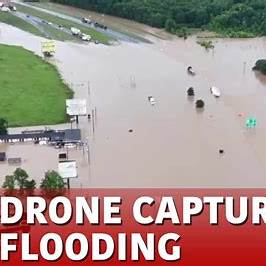
Catastrophic Texas Flash Flood. A ferocious flash flood swept through central Texas over the Independence Day weekend, leaving at least 80 dead, including 21 children, and dozens still missing. The devastation centered on Hunt and Kerr County, devastating Camp Mystic—a historic girls’ summer camp. Here’s a comprehensive deep dive into the crisis that has gripped communities, strained rescue efforts, and laid bare both nature’s force and climate vulnerabilities.
1. When Nature Struck
From July 4 to 5, 2025, central Texas was pummeled by torrential rains tied to tropical moisture—remnants of Tropical Storm Barry. Rainfall totaled 12–20 inches in hours, triggering the Guadalupe River to surge by 26 to 29 feet in just under two hours. In Hunt, river gauges failed as the water reached record highs—second only to 1987 levels reuters.com+14en.wikipedia.org+14reuters.com+14.
Meteorologists confirm the area’s terrain—known as Flash Flood Alley—makes sudden deluges especially deadly en.wikipedia.org. The early-morning floods caught many off-guard, overwhelming physical and digital warning systems.
2. Death Toll and Disappearances
-
Victims: At least 80 dead, including 28 children in Kerr County, with other fatalities across Travis, Burnet, Kendall, and Tom Green counties reuters.com+15en.wikipedia.org+15news.sky.com+15.
-
Missing: Over 40 individuals remain unaccounted for, including 11 young girls and a counselor from Camp Mystic—a century-old girls’ Christian camp theguardian.com+11en.wikipedia.org+11reuters.com+11.
-
Camp Tragedy: The camp sat perilously close to the swollen river. Water crept six feet up cabin walls. Tragically, several girls and staff perished or vanished amid the torrents washingtonpost.com+11reuters.com+11apnews.com+11.
3. Human Stories and Witness Accounts
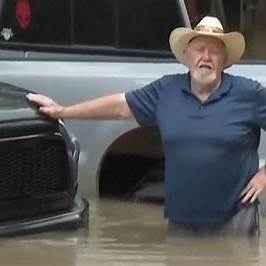
A visitor named Tonia Fucci described “indescribable” noises—massive cypress trees snapping—as she filmed RVs and debris being swept downriver businessinsider.com+2reuters.com+2reuters.com+2. She voiced deep despair, noting missing children and inadequate warning timing: “You just want them to be found … it’s not going to be a good ending” reuters.com.
Community rescues began before official arrival, reflecting local grit amid catastrophe people.com+12reuters.com+12apnews.com+12. Heartbreaking stories include grandparents trapped in submerged vehicles, camp directors sacrificing to save youth, and campers clinging to bunks and trees overnight pbs.org+15apnews.com+15reuters.com+15.
4. Emergency Response

-
Rescue scale: Over 850 people rescued, including 167 via helicopter apnews.com+2en.wikipedia.org+2en.wikipedia.org+2.
-
Agencies involved: Local & state emergency services, Coast Guard air crews, FEMA, National Guard, volunteers, and neighbors were fully engaged reuters.com+2reuters.com+2reuters.com+2.
-
Warning issues: Residents received flood alerts only after waters hit—they described delayed alerts by the National Weather Service en.wikipedia.org. With forewarning underestimated, officials acknowledged reforms are needed in forecast systems theguardian.com+2reuters.com+2en.wikipedia.org+2.
5. Infrastructure Under Fire
Floodwaters razed homes, cabins, roads, bridges, and camp buildings. Communication blackouts hampered emergent rescues, as did damaged roads and utility lines. Over 12,000 structures were affected in neighboring San Angelo apnews.com. Meanwhile, shelters opened in schools and churches to accommodate displaced civilians.
6. Climate and Meteorological Context
This flash flood is part of a broader pattern:
-
Tropical moisture from Barry fueled intense rainfall over already saturated ground reuters.com+11en.wikipedia.org+11en.wikipedia.org+11.
-
Flash Flood Alley—the terrain’s hills and narrow valleys—amplified river surging en.wikipedia.org.
-
Global warming intensifies heavy rainfall events, making such deluges more common and severe washingtonpost.com+2pbs.org+2youtube.com+2.
7. Aftermath and Accountability
-
Political response: Governor Abbott declared federal disaster status; President Trump authorized FEMA and Coast Guard deployment reuters.com+11businessinsider.com+11reuters.com+11.
-
Weather system scrutiny: Experts criticized past cuts to NOAA and the NWS, linking them to slow forecasting and alerts reuters.com+2reuters.com+2en.wikipedia.org+2.
-
Community resolve: Widespread volunteer efforts, small relief campaigns, and GoFundMe pages have mobilized around impacted families—honoring those lost, like camp director Jane Ragsdale and volunteer grandparents apnews.com+3apnews.com+3businessinsider.com+3.
8. Lessons and Future Preparedness
-
Robust warning systems: Digital alerts must reach communities before floods strike.
-
Land-use planning: Flood-prone zones—camps, RV parks—should be relocated or fortified.
-
Community drills: Evacuation protocols a priority—residents need regular training.
-
Infrastructure investments: Enhanced stormwater drainage, levees, and resilient road systems.
-
Climate adaptation funding: Federal and state efforts must prioritize flood risk mitigation.
9. Broader Implications
The Texas tragedy resonates globally. Flood-prone communities in Europe and Asia are already facing similar flash events. The Texas result—a deadly convergence of climate forces and human fragility—demands systemic upgrades to how we prepare, respond, and govern in the face of extreme weather.
🔚 Moving Forward
-
Search and recovery continue as families await closure.
-
Investigation into meteorological lag and preparedness shortfalls is underway.
-
Policy shifts across Texas and the U.S. will be tested—will we act on this warning?