Here are 11 tools that pull all your metrics together, across all your platforms — and help you make sense of all the numbers.
You don't need millions of followers or superstar status to make money on Instagram. Micro and even nano-influencers on Instagram are supplementing — or even replacing — their income with content creation.
I now have over 15K followers on Instagram, but when I started experimenting with monetization, I had no idea what would actually work. And I tried everything. Affiliate links that made me a few bucks. Brand partnerships that fizzled out. And eventually, a couple of income streams that actually stacked up month after month.
One of the biggest things I've learned? There's no 'easy money' switch here — turning posts into paychecks still takes consistent, thoughtful work.
In this article, I'll share 12 of the most effective ways for you to make money on Instagram. What's really working right now, what's worth skipping, and how you can layer these streams no matter your follower count. Whether you're just starting on Instagram or already have a sizable following, there are options here for everyone.
Key takeaways
- Nano-influencers (1,000–10K followers) earn $10–$100 per sponsored post on Instagram, and rates scale to $10K+ for mega-influencers with 1M+ followers.
- Instagram's three monetization paths are: in-app features (subscriptions, gifts, badges, bonuses), brand partnerships (sponsored posts, user-generated content (UGC), affiliate links), and selling your own products or services.
- Diversifying across two to three income streams is more sustainable than relying on a single Instagram-native feature.
- Gifts only require 500 followers to unlock, making this the lowest-barrier native monetization feature on Instagram.
- Instagram bonuses are the only feature that pays creators directly, but they are invite-only.
- Affiliate marketing and UGC are the most beginner-friendly paths — both work without a large following because brands prioritize content quality over reach.
The three ways most creators make money on Instagram
- In-app monetization: Earn directly through Instagram's built-in features — subscriptions, gifts, badges, and bonuses.
- Self-promotion: Use Instagram as a sales channel for your own products, services, courses, memberships, or merch.
- Brand collaborations: Get paid by brands for sponsored posts, UGC, or affiliate promotions.
Monetization paths at a glance
The 12 monetization methods below fall into three broad paths. Here's how they compare on barrier to entry and payout model:
| Path | Methods covered | Minimum follower threshold | Payout model |
|---|---|---|---|
| In-app features | Subscriptions, gifts, badges, bonuses | 500–10K (varies by feature) | Audience purchases or seasonal bonus |
| Brand collaborations | Sponsored posts, UGC, Affiliate links | No minimum (UGC/affiliate); 1K+ (sponsored) | Flat fee, product gifting, or commission |
| Self-promotion | Instagram Shop, own products/services, courses, ads, merch | No minimum | Direct sales revenue |
Instagram Shop is covered separately in section 8 — it has different eligibility (business account required).
Whichever route you pick, steady growth comes from showing up for a clearly defined audience and engaging with them consistently. You can always repurpose content across these streams to get more mileage out of each post.
Let's walk through the 12 monetization methods, starting with what I call Instagram native income — the features built right into the app that help you earn without ever leaving it.
1. Offer exclusive content via subscriptions
Instagram Subscriptions let creators with 10K+ followers charge a monthly fee for exclusive posts, reels, stories, and lives — a built-in recurring revenue stream inside the app. Think of it as having your own membership program right inside Instagram.
Your most engaged followers can become paid subscribers and get access to exclusive content you create just for them. When setting your price, think about the value you're offering while keeping it accessible enough that your followers can actually join in. Subscribers find the content easily on your Instagram feed in a new tab using the crown icon.
Subscriptions at a glance:
- Minimum followers: 10K
- Account type required: Professional (creator or business)
- Minimum age: 18
- Payout mechanism: Monthly recurring fee you set
- Country availability: Select countries only
- Policy requirements: Must meet Instagram's Content Monetization and Partner Monetization policies
When I tested subscriptions, I realized something very quickly. People don't pay for content. They pay for meaningful access. Things like your creative process, unfiltered behind-the-scenes thoughts, tutorials, or personal updates that don't always make it to your main feed. (The stuff that feels like being let into a group chat, basically.)
To turn subscriptions on, you'll need to:
- Be at least 18
- Have a professional Instagram account with at least 10K followers
- Reside in a country where the feature is available (here's a list for your reference)
- Have an Instagram profile that meets Instagram’s Content Monetization and Partner Monetization policies
2. Receive gifts from fans
Instagram Gifts let fans send virtual "stars" on your Instagram Reels that convert to cash at $0.01 per star — available to any professional account with 500+ followers. It's the lowest-barrier way to earn directly from your audience.
Gifts at a glance:
- Minimum followers: 500
- Account type required: Professional (creator or business)
- Minimum age: 18
- Currency: Fans purchase virtual "stars" to send as gifts
- Payout rate: $0.01 USD per star (100 stars = $1 USD)
- Minimum payout: $25 balance
- Availability: Select countries only
The key here is consistency. If you're creating content that makes people feel something — entertained, inspired, or educated — they'll want to give back. I know a few creators who mention gifts casually in their captions. Something like, "If you enjoyed this tip, send a gift to keep the series going." Subtle, human, and never salesy.
It starts small — really small. But the creators I know who treat gifts like a tip jar, not a goalpost, end up surprised by what a year of consistent posting adds up to.
3. Monetize live sessions with badges
Instagram Badges let viewers tip you during live sessions in increments of $0.99, $1.99, or $4.99 — the only native Instagram monetization feature tied to live broadcasts. It's like your audience buying a front-row ticket to your stream.
Badges at a glance:
- Minimum age: 18
- Account type required: Creator
- Payout mechanism: Viewers purchase badges in $0.99, $1.99, or $4.99 increments during your live
- Availability: Select countries only (check the eligibility list when you plan to go live)
The creators I've seen do this best make their lives feel like mini experiences. They pick a consistent day theme — think self-care chats, behind-the-brand Fridays, or community happy hours. You'll see a heart next to the names of people who've bought a badge.
To make the most of badges, let people know they're available at the start of your live — and again when new viewers join.
4. Qualify for Instagram bonuses
Right now, bonuses are the only way Instagram pays creators directly — no audience purchases or subscriptions required. You get these bonuses paid on rolling cycles — and they are available for reels, carousels, and single image posts.
Bonuses at a glance:
- Minimum age: 18
- Account type required: Professional (creator or business)
- Eligibility: Invite-only, varies by region
- Content counted: Up to 150 posts from activation to program end (reels, carousels, single image posts; replays not counted)
- Payout: Lump sums paid at rolling cycles
- Reported rate: ~$0.01–$0.05 per 1,000 views (varies)
These programs are usually invite-only and vary by region, but it's worth keeping an eye out in your professional dashboard. If you receive the invitation, you'll see it on your dashboard. Once you complete the onboarding flow, the platform will count up to 150 pieces of content shared from the week that you activate until the end of the bonus opportunity. The more views and/or plays (replays not included) your content receives, the more money you earn.
I like to think of bonuses as the cherry on top. They're not a core strategy, but when they appear, take them. If you're already consistent with your content, it's a welcome reward for the effort you're already putting in.
How much does Instagram pay per 1,000 views?
There isn't a single published rate, but creators in past bonus programs have reported earning roughly $0.01–$0.05 per 1,000 views, depending on the program, region, and content format. Reels bonuses have historically paid more than image posts — which is one reason short-form video is worth prioritizing if you're chasing bonus income.
Right now, earning money solely through Instagram's built-in features works best if you already have a large following and strong personal brand.
As Instagram's Head Adam Mosseri explains: "If you have a few thousand followers, it doesn’t make sense to focus on trying to monetize that audience," Mosseri says. "You should instead focus on growing that audience or using Instagram in other ways."
Even so, there are good reasons to explore these features:
- Become an early adopter of Instagram’s monetizing features
- Supplement your income from other sources (which includes the other ways to earn on Instagram, below)
Honestly? The next three methods — brand partnerships, UGC, and affiliate marketing — are where most creators start seeing real money, especially if you're under 10K followers.
5. Earn from sponsored posts and brand partnerships
The most common setup: sponsored posts. You create content for a brand, post it on your own page, and get paid for the spot on your feed. This partnership between creator Jade Beason and Adobe Express shows how it works:
Sponsored content usually includes a "paid partnership" tag or an #ad hashtag. Brands pay Instagram creators for a spot in their feed because they can build brand awareness and earn money by reaching the creator’s audience.
How much can you earn from sponsored posts? It varies based on your niche, location, content quality, follower count, engagement rate, and negotiation skills.
According to Influencer Marketing Hub’s benchmark study, nano-influencers (Instagram influencers with 1,000 – 10k followers) earn between $10 and $100 per post — it only goes up from there.
| Influencer tier | Follower count | Estimated rate per post |
|---|---|---|
| Nano | 1,000–10K | $10–$100 |
| Micro | 10K–50K | $100–$500 |
| Mid-tier | 50K–500K | $500–$5K |
| Macro | 500K–1M | $5K–$10K |
| Mega | 1M+ | $10K+ |
The numbers vary a lot, sometimes with little changes in the scope of work. For example, a brand will pay more to get usage rights for your sponsored posts.
Buffer's own analysis of social engagement across millions of posts — see our State of Social Engagement report — shows engagement rate, not raw follower count, is the strongest predictor of brand interest, which is why nano- and micro-creators with tight niches often out-earn larger accounts per post.
How to find brands to partner with on Instagram
Many brands — those that actively practice influencer marketing — might reach out to you proactively when they notice you have an engaged social media community that overlaps with their target audience. They might use third-party tools (like influencer discovery software) for this, but you can also grab their attention by tagging them in your posts whenever you create content about them. This can also be an excellent way to showcase your content creation abilities.
If you are in an eligible country, it’s also worth joining Instagram’s creator marketplace. It’s a hub for helping brands connect with the right Instagram influencers for their customers.
Lastly, it’s also worth directly reaching out to the influencer marketers of your favorite brands or even popping them a DM.
One thing to keep in mind: Don’t overload your feed with brand-related posts. It can make your account feel less authentic to your followers.
Annie-Mai Hodge, founder of Girl Power Marketing, says an overload of brand collabs (especially inauthentic ones) can be harmful to growing your Instagram following and engagement long term.
"If your feed starts to feel like a media kit, people stop engaging, and that hurts your chances of monetizing in the long run," she says. "Brands want creators who have influence, not just reach. That means your content should always be designed to serve, entertain, or connect with your audience first."
In general, the most profitable influencer partnerships come from creators who serve their audience first and treat brand deals as a secondary layer — not the main event.
One of my top tips
When you partner with a brand you already love, it doesn't feel like selling. It feels like natural storytelling. At 15K followers, I've had brands pay me hundreds of dollars per post because my audience fits their target perfectly.
One of my earliest partnerships with Etihad Airways came from me tagging a brand I already trusted and was a frequent flyer with in a casual reel. They saw the post, reached out, and it turned into a long-term collaboration. (The ROI on one lazy Instagram tag still surprises me.)
If you're highlighting a brand you love, tag them. It's free visibility for them, and it plants the seed for future paid work for you.
6. Create user-generated content for brands
User-generated content (UGC) deals pay creators to produce branded video or photo content that brands post on their own accounts or use in ads — no follower threshold required. You create the content, hand it over, and the brand publishes it.
For example, hair care brand Fix My Curls often reshares videos by creators who mention their products and credits them in post captions.
UGC is a great way to earn money while keeping your own feed focused on your own content. Plus, you don't need a large following to create UGC — brands care more about your creation skills and style.
How to get your first UGC deal on Instagram
Many creators find brands by pitching via DMs on Instagram, responding to comments from brand accounts, or reaching out through email with a few simple videos and a clear offer.
7. Share affiliate links and codes
Affiliate income is one of the most beginner-friendly monetization paths. You earn a commission every time someone buys through your link or code.
Companies will share promo codes or a trackable link (with a UTM code) to calculate how many sales you bring in. These links or promo codes usually include discounts, which give your followers an extra reason to check out the product. Buffer has a free UTM builder that can help you create these unique links in a few steps.
When I started, I promoted products I was already obsessed with — skincare, coffee, a kitchen appliance or two. The stuff I'd recommend to a friend anyway. (My first affiliate payout was small enough to be embarrassing — we're talking single digits.) If your followers trust you, they'll trust your suggestions — and that's what actually converts.
This post by creator Hitika Sachdev is a perfect example of an affiliate partnership. The brand can use the code "Hitika94" to track every sale coming via her.
If you're working with promo codes instead of trackable links, you've got options too. Use a link in bio tool like Buffer’s Start Page where you can customize the text associated with the link — add your discount code in the text and link to the brand’s website.
Often, affiliate relationships grow out of existing brand partnerships. A brand might collaborate with you a few times for sponsored content and then offer a performance-based incentive to transition to affiliate marketing.
You can also join affiliate programs that are open to all creators, like Amazon Associates or Pura Vida, which has an affiliate program offering a 15% commission on each sale you bring in. You can apply through their form, and if you meet their requirements, you're in.
With programs like these, you won't have a dedicated brand contact. You’ll probably have a dashboard that will calculate all your earnings, and you’ll have to buy the brand’s products on your own. It's still a solid way to earn from your content — especially when you're promoting products that genuinely fit your audience.
One of the biggest advantages of branded content is that you can start without a huge following or your own product to sell. Plus, you've got multiple ways to work with brands, depending on what fits your style.
Monetizing beyond the app is where Instagram becomes more than just a content platform. It turns into your business engine. Next up, we'll take a look at some ways to do just that.
8. Set up an Instagram shop and shoppable posts
Instagram Shop turns your profile into a digital storefront with tappable product tags that link directly to a catalog — available only to Instagram business accounts in select countries. If you sell physical products, it's your in-app checkout.
You can post a picture or a reel of your product with a tappable link that goes directly to your product catalog. When users click through, they'll see all the info about the product, including prices.
If Instagram Shop isn't available in your region, Buffer's Shop Grid is a perfect workaround. It creates a clickable, shoppable feed experience that still feels native to Instagram. When someone taps your bio link, they'll see exactly what you want them to — your bestsellers, latest posts, or anything else you choose to highlight. You'll also be able to track clicks on each link, so you can see what your audience is most interested in.
9. Promote your own products or services
Promoting your own products or services on Instagram converts followers into customers at higher margins than brand deals, because you keep 100% of the revenue. You can do this by creating a brand account and forming an Instagram strategy. You might not sell products right away, but you'll educate people about your brand and its products.
From digital templates to handmade jewelry to coaching services, what matters most is storytelling. Show people why you created your product and what problem it solves.
Creators like Modern Millie have built strong value around their content. Millie teaches creators how to grow on social and monetize their platforms, and she uses Instagram to promote everything from digital courses to free templates to YouTube tutorials. It's a great example of how clear positioning plus consistent content can lead to real revenue without needing a huge team or a complicated setup.
10. Sell courses or membership programs
If you’re a creator, you can also earn money by sharing an online course or a membership program that teaches your audience to do something you’re an expert in.
Adriana Blanc often promotes her fitness membership program using her Instagram account.
Promoting courses, memberships, or exclusive communities is not much different from selling products or services. Focus on highlighting the value of your offer and hitting the pain points of your target audience.
11. Run Instagram ads to drive sales
Running Instagram ads with a $50–$100 test budget lets you identify which organic posts convert best, then amplify the winners to new audiences. If you're selling a digital product or service, Instagram advertising can meaningfully expand your reach.
Running Instagram ads means boosting some content on your feed, so it reaches a broader audience. Ideally, this boosted content helps you sell products and earn more money than you are spending.
Advertising can help you reach new users and build your audience — in turn, helping you sell more products — but that doesn't mean hitting 'boost' and hoping for the best. Start with around $50 to $100 and test which videos or messages actually land. Use what you learn to refine your organic content too — the hooks, visuals, and topics that pull in your ideal audience. You can analyze performance along the way to see which creatives earn their keep.
Think of that first $100 as tuition, not a launch budget.
12. Design and sell merch
Sometimes your brand becomes your product. If you've built a strong personal brand on Instagram, you can monetize it by designing unique merchandise.
Maybe it's a phrase you repeat often, an aesthetic your followers love, or an inside joke your community enjoys.
Sabrina Zohar, a dating coach and influencer, did this brilliantly. She turned repeat phrases she uses in her podcast, The Sabrina Zohar Show, into a recognizable brand that her audience already felt ownership over.
Convert your posts to paychecks
Remember that monetization on Instagram isn't about chasing every single income stream. It's about finding what feels authentic to you and your audience. Start small. Pick one or two ideas from this list and test them for at least a few months. See what feels sustainable, what excites you, and what naturally fits your content rhythm.
No matter which route you take, applying a few timeless principles — solving a real problem for your audience and standing out with a clear, differentiated niche — will boost your chances of success.
The not-so-glamorous reality? The more your audience grows, the more admin comes with it — comments to reply to, DMs to juggle, performance to analyze, and a content calendar that won't fill itself.
That's the bit Buffer quietly handles for me. Scheduling, engaging, analyzing, a custom bio link — all in one place, so I can actually spend my time making the content that earned me the audience in the first place. You can try it free if that sounds like your kind of help.
Now I'd love to hear from you — which of these 12 ideas are you going to try first? Come find me on Instagram and tell me what's working.
FAQ about making money on Instagram
Do Instagram users get paid directly by the app?
Sometimes. Instagram can pay creators through in-app tools like subscriptions, gifts, badges, and (in some cases) bonuses. But many creators earn most of their income outside the app through brand partnerships (like sponsored posts and UGC), affiliate marketing, and selling their own products or services.
How much does Instagram pay for 1,000 views?
There isn’t a single guaranteed rate. In practice, creators often see rough ranges around $0.01–$0.05 per 1,000 views, but it varies a lot based on the specific program, your eligibility, your audience, and what Instagram is offering at the time. Reels bonuses have historically paid more per view than carousels or single image posts.
How many views on Instagram do you need to make money?
There's no universal view threshold — bonuses are invitation-only and tied to content performance, not raw views. For brand deals, views and engagement together usually matter more than any single number. For reels specifically, Instagram's bonus programs have historically focused on creators whose reels consistently earn 10K+ plays, but eligibility varies by region and program.
How many followers do I need to get paid on Instagram?
You don't need a fixed follower count. Instagram's in-app monetization features have specific thresholds — 500 followers for gifts, 10K for subscriptions (although requirements may vary by region and over time) — but brand deals, UGC work, and affiliate marketing have no minimum.
How much do nano-influencers make on Instagram?
Nano-influencers (creators with 1,000–10K Instagram followers) typically earn $10–$100 per sponsored post, according to Influencer Marketing Hub. Rates vary based on niche, engagement rate, content quality, and usage rights — for example, a brand will pay more for permission to repurpose your post as a paid ad. Many nano-creators stack multiple income streams (sponsored posts plus affiliate links plus UGC) to reach a sustainable monthly income rather than relying on post fees alone.
Can you make money on Instagram without a lot of followers?
Yes. The three lowest-barrier paths are UGC (no minimum), affiliate links (no minimum), and selling your own products via an Instagram Shop or link-in-bio page. Nano-influencers often out-earn macro accounts on engagement-based deals because brands prioritize niche fit and engagement rate over raw reach.
Can you make money on Instagram without showing your face?
Yes. User-generated content is the most common path for creators who prefer to stay off-camera — brands hire you to produce product demos, unboxings, or voiceover videos that they post on their own accounts. Affiliate marketing, running an Instagram Shop for physical or digital products, and selling courses or templates also work without a personal brand tied to your face. Faceless accounts in niches like finance tips, book reviews, recipe reels, and aesthetic aggregator pages routinely monetize through these paths.
What do I need to qualify for Instagram’s money-making tools?
Depending on the feature, there are a couple of requirements you need to meet, like being at least 18, using a professional account, following Instagram’s Content Monetization and Partner Monetization policies, meeting any follower or engagement thresholds, living in a country where the feature is available, and setting up payouts so Instagram can send you earnings.
How do I start earning money on Instagram if I’m new?
Start by choosing a clear niche, posting consistently, and engaging with the people who comment or reply to your stories. Then pick one income path to focus on first (like UGC, affiliate links, or promoting a small offer), and build from there. Tools like Buffer can help you stay consistent by scheduling posts ahead of time.
More Instagram resources
- How to Get Verified on Instagram: 2 Ways to Get Your Blue Check
- 13 Trending Sounds on Instagram (+ How to Use Them)
- Replying to Your Instagram Comments Can Boost Engagement by 21%
- Best Time to Post on Instagram: New Data from 9.6 Million Posts
- How to Use Instagram for Business: The Complete Guide
- Instagram Stories: The Complete Guide to Using Stories to Boost
- How to Share Instagram Feed Posts to Stories: 3 Simple Steps
Recommended Story For You :
Organize Keywords and Import CSV Files from the Google Keyword Planner
The Most Affordable And Easiest User Friendly Page Builder You Will Ever Use!

Instant WordPress Theme That Matches Your Website
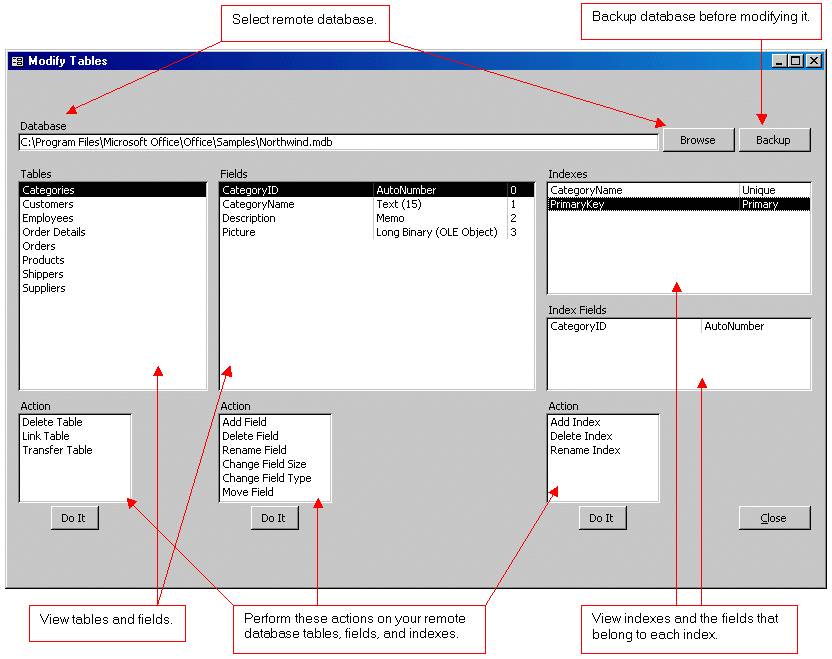
Wizard to Manage Remote Backend MS Access Database Tables Fields and Indexes

If you had an aisle-by-aisle grocery list wouldn't you spend less money on impulse items?
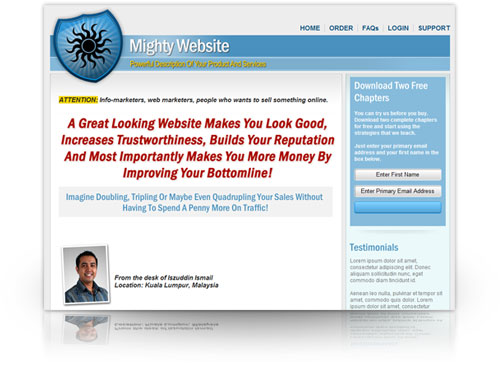
everything you need to create a professional corporate look mini-site is there.
Unlock Your Networking Potential with GNS3Vault
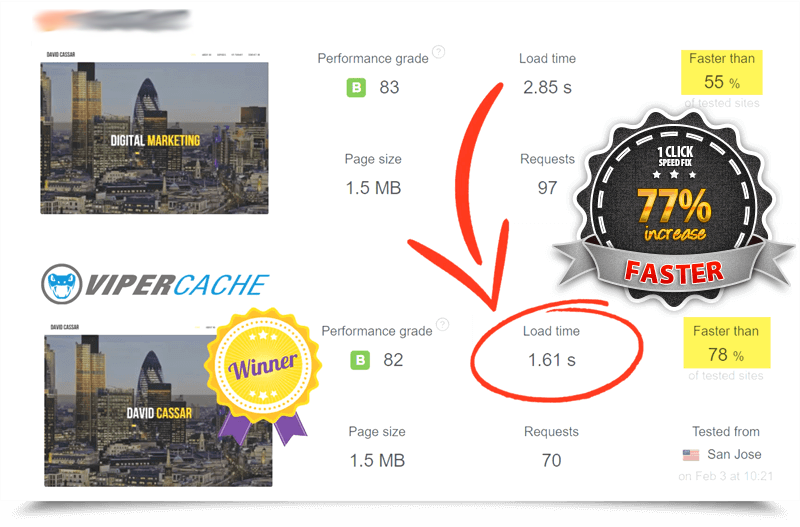
Viper Cache Was 77% Faster Than The Competetion

Understanding Stock Market Shorting eBook