It feels like there are more games than ever for players to sink their teeth into on any given day, and many of them are all vying for daily player attention.
Marvel Rivals is one of these games, a free-to-play hero shooter with constant updates adding content like maps and characters, which is sustained by microtransactions and keeping players interested. Rivals has largely done that with new characters every month for almost a year now, alongside the strength of the Marvel IP.
With so many games to play and limited hours in the day, it feels like the competition is cutthroat, especially since games are also competing with social media and other outlets for a player’s time. For Marvel Rivals executive producer Danny Koo, though, he still believes there’s plenty of the pie to go around.
“The perception is there’s no room [for multiple live-service games], but there’s always room for growth,” Koo said at GDC this week in an interview with Destructoid’s Editor-in-Chief, Rachel Samples. “The hero shooter genre, as a collective, is not that big. The shooter genre is big, [but the] hero shooter is a subset of it. And some of these shooters have a different specialty, like extraction or survival. It depends on which specialty you are coming in, and whether you can take control of that expertise is totally up to you.”
Interestingly, Koo thinks that “home country domination” plays a factor in live-service games, too. With NetEase Games based out of China, as an example, Koo believes that the overall global gaming audience has enough interest across the world to give games a chance if done properly.
“Some hero shooters are dominating a certain country, and then their competition is dominating another country,” Koo said. “So, there’s always space globally to position your game as well. With all this added complexity, of course, everybody wants everyone to be playing your game. But at the same time, I think having more shooters in the same genre is good for everybody because that just means we’re growing this genre to be bigger compared to like, say, RPGs or the action genre.”
For new live-service titles entering the space, Koo thinks that first impressions are everything. And after the release and rapid shutdown of a game like Highguard, which had a famously terrible first impression, he may have a point.
“I think the first impression of any game coming in is it has to look good,” Koo said. “Second of all, what is the game offering? Is it unique compared to other shooters or games out there? Like, if you haven’t seen it done before, what are you offering that is different and fresh? Otherwise, why would they play a game that’s exactly the same, right? It’s just a reskin.”
The first step beyond that is launch, but “then you would need to have a very robust live service offerings, whether it’s content drop, or live events, community engagement, or even if your game is broken, how fast you can fix it based on feedback,” he said.
Offering advice to a new game trying to enter the already-crowded space, Koo had a harsh but simple suggestion when it comes to feedback: “Do a lot of tests outside of people that you know.”
“There’s such a thing as implicit bias that sometimes you don’t wanna hear stuff that you don’t wanna hear,” he said. “But if you have a lot of players that you’re not familiar with try out and provide the honest feedback, and you take it in stride, and you work towards it, at least you have a good measurement of what the players out there are looking for.”
Marvel Rivals went through multiple testing rounds before launching in 2024, and the game is likely better because of it. Along with the Marvel IP, letting players get their hands on the game to help development likely had a large impact on its success since its release.
“It only takes one person to repeat the same chatter, and it just turns snowball into a big deal, right?” Koo said of negative discourse surrounding potential new live-service games. “You have to test large-scale before you even launch the game. Starting 2020 onwards [it has been] the battle of community. You have to have a community there before you launch the game. This way, you will have someone to defend the product if the product is good.”
The interview has been edited for clarity.
The post Marvel Rivals executive producer pushes back on idea that live-service scene is running out of room appeared first on Destructoid.
The new Paradox Junction map in Call of Duty Black Ops 7 has several easter eggs to crack, and you can unlock a new song by finding three Mister Peeks headphones from different locations.
Just like the two other maps, the three headphones are hidden from plain sight. You’ll also need to travel to the past to find a couple of them. Let’s quickly look at the locations of all three headphones so that you can unlock the bonus song for the new map.
Table of contents
How to find all Mister Peeks headphones in Black Ops 7 Zombies Paradox Junction
The first task is to survive for seven rounds, as you’ll need to travel through the past. Two of the three locations will be locked until you’ve returned to the normal version of Nuketown. To do so, surviving for the first seven rounds is non-negotiable.
To find the headphones, you’ll also need to interact with the truck with the key. This will remove the truck (everything happens in the past version of the map) and allow you to unlock the Pack-A-Punch machine on the Paradox Junction map.
Headphone 1
The first headphone can be found in the normal version of the Yellow House. It’s located on a nightstand in the bedroom. If you enter from the window, the nightstand is just around the right corner from the bedroom door. If you enter through the door using the stairs, the nightstand is just around the corner to your left.
It’s easy to miss the headphone (refer to the image above) as the area is really dark.
Headphone 2
The second headphone can also be found on the normal version of the Nuketown map. Head to the area where the perk machine is located on Trinity Avenue. Look at the left corner, and you’ll find the headphone visible through a gap in the nearby white fence.
Headphone 3
For the final one, return to the destroyed version of Nuketown. You’ll need to spend 3,000 Essence. Once you’ve returned, go past the truck that was earlier blocking your path to Trinity Avenue (the one that you moved with the key).
You’ll find another destroyed truck beside it. Go to the back, and peek at its left corner (refer to the image above). This will complete the musical easter egg that’s exclusive to the Paradox Junction map, and it will play the Come Back Down song by Kevin Sherwood and Megan Rice.
The post All Mister Peeks headphone locations in Black Ops 7 Zombies Paradox Junction (Music Easter Egg) appeared first on Destructoid.
Recommended Story For You :
Think of it as a GPS system for World of Warcraft

FIFA 2023 ULTIMATE TEAM MILLIONS MADE EASY
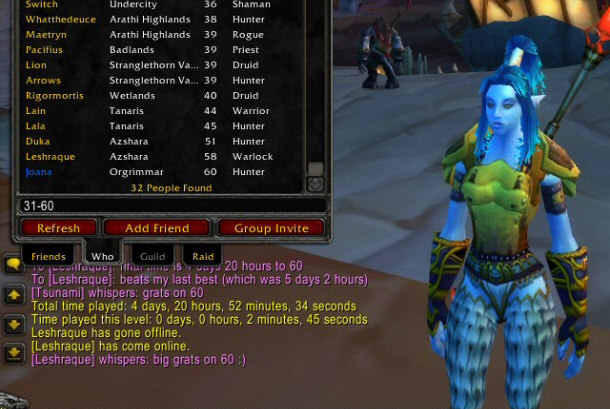
Joana's Clssic WotLK 1-80 & Era 1-60 Speed Leveling Guides

Empowering Gamers with the Ultimate Secret Gold Guide
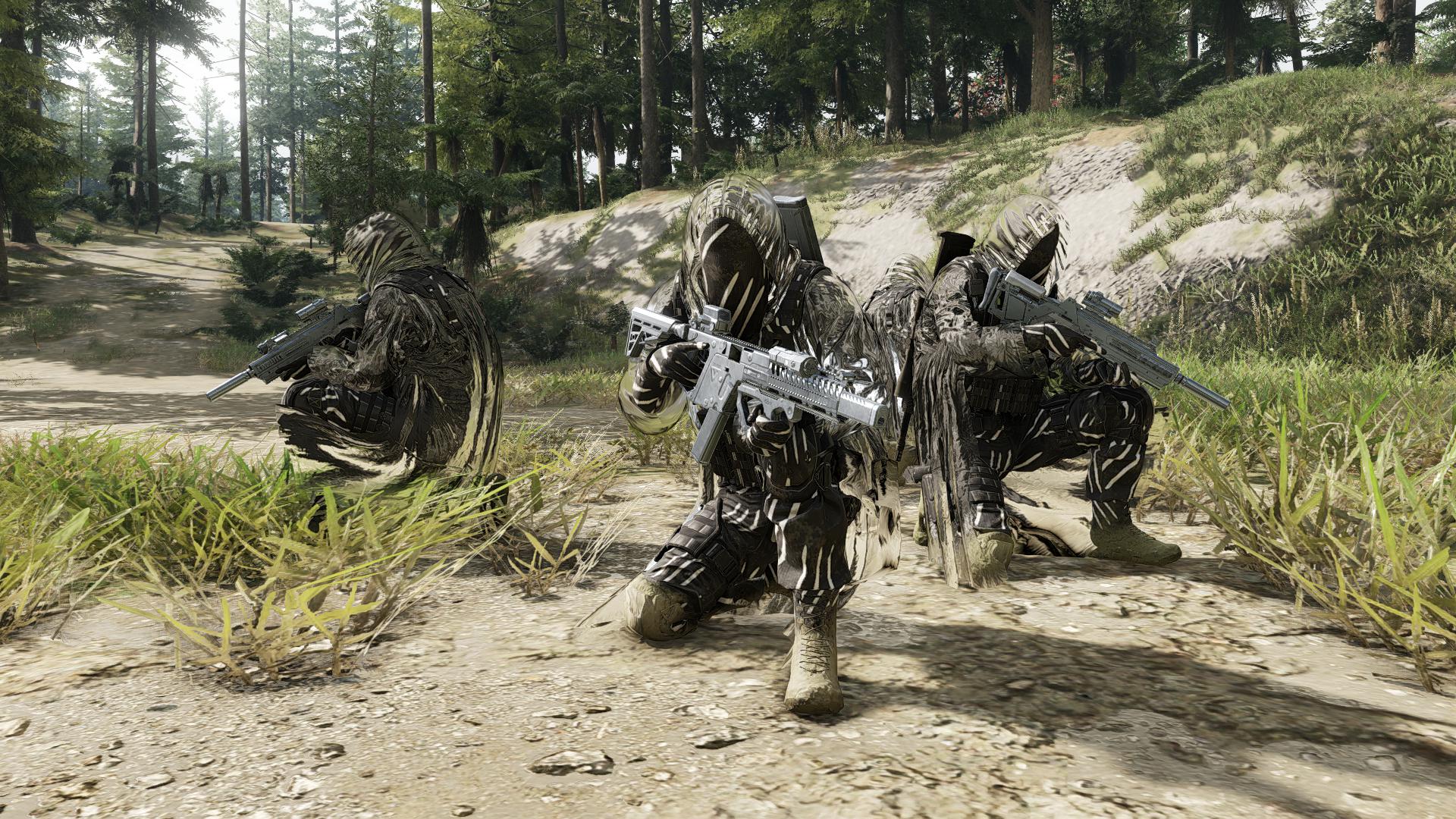
A Practical Guide For Tactical Gaming

Terra Game - Where Adventure Awaits!