How Shivani built a LinkedIn content library on Buffer’s API — a searchable archive, AI chat for analysis, and a two-way loop into Buffer’s Create space.
Whether you’re vibe-coding your own social media tools and workflows or a developer building one from scratch, the road can get a little bumpy when it comes time to integrate more than one platform.
Sure, Instagram, Facebook, TikTok, and the other social networks have their own APIs that you can use to plug them into your app — but that can become a lot of messy wiring, real quick. Particularly when the platforms make changes on their end. Which, trust me: they do regularly.
Imagine: instead of all that tangled, mismatched wiring, you could have a single multi-plug that allows you to connect to every network you need.
It’s called a unified posting API: a single API that connects to all the native platform APIs on your behalf.
As a non-engineer, I like to think of it as good cable management. Seems like a no-brainer, right? When it comes to that multi-plugs unified posting API, you have several options. In this article, I’ll walk you through them.
Jump to a section:
The short answer
If you want to publish content to multiple social networks through one integration, you have two real options: a unified posting API that wraps the native platform APIs for you (Buffer, Ayrshare, Postiz, Post for Me, Zernio, Outstand, Blotato), or the native APIs themselves (Meta Graph for Instagram and Facebook, X, LinkedIn, TikTok Content Posting API, YouTube Data API, Pinterest, Threads, Bluesky).
Unified APIs make integration a whole lot smoother and faster, but may add a monthly fee and an extra layer between your code and the platforms. Native APIs are free or pay-per-use, but you'll maintain 8 to 11 separate integrations and have to deal with every app or workflow-breaking change yourself.
Key takeaways
- Unified APIs (Ayrshare, Postiz, Buffer, Post for Me, Zernio, Outstand) post to 9 to 30+ platforms through a single API endpoint. Pricing ranges from free (Buffer) to $599/month (Ayrshare Business).
- Buffer's API offers personal-key-only access and supports 11 channels: Instagram, Facebook, LinkedIn, TikTok, X, Threads, Bluesky, Pinterest, YouTube, Google Business Profile, and Mastodon. The API is available on Buffer’s free plan.
- Postiz is the only fully open-source option and supports the most platforms (30+), with both self-hosted and cloud versions.
- Native platform APIs are free for most networks (Meta, LinkedIn, TikTok, YouTube, Pinterest, Threads, Bluesky), but X moved to pay-per-use in February 2026, with posts containing URLs costing $0.20 per request.
- Choose a unified API if you want to ship in days, not months. Choose native APIs if you need deep, platform-specific control and have engineering time to maintain them.
Unified API vs. native APIs
As I touched on above, you have two options when it comes to connecting your tool or workflow to the various social networks:
- A unified posting API that wraps the native platform APIs for you
- Native APIs from every platform you want to integrate with
The trade-off is the same one you face in any "buy it or build my own?” decision. Native APIs give you the deepest possible control and (almost) zero recurring cost beyond pay-per-use fees.
A unified API trades some of that control for a much simpler setup, which includes three pretty big benefits: a single login instead of one per platform, a single format for your post data, and a vendor team that handles rate limits, retries, and platform updates on your behalf.
For most developers integrating social publishing into a product, a unified API saves weeks of engineering time. For platforms that publish at extreme scale (think social ad networks or enterprise SaaS), native integrations probably win on cost and customization.
So how do you know which route is the best option for you? The decision usually comes down to these questions:
How many platforms do you need? If it's two or three, the native APIs are manageable. If it's five or more, the engineering and maintenance load tips towards a unified API.
What's your timeline? Connecting with every single network’s API individually is likely going to take more time. A unified posting API can get you up and running (in this case, posting) much faster.
What's your post volume and account count? At scale, the pricing model of the unified API matters more than the platform itself. Per-profile pricing can add up if you plan on having more users, while per-post pricing can get quite expensive as your posting cadence increases. At low volume across a handful of profiles, almost any option is affordable.
All that said, if you do choose to go the unified API route, you're spoiled for choice. There are several options to choose from, depending on your platform mix, post volume, and how technical you want to get.
Quick comparison: unified social media APIs
| API | Platforms supported | Starting price | Open source? | Best for |
|---|---|---|---|---|
| Buffer API | 11 | Free for 1 API key. Paid users get 5. | No | Teams already on Buffer who want to automate scheduling workflows |
| Ayrshare | 13+ | $149/mo Premium · $499–599/mo Business | No | Teams that want analytics and comment management alongside posting |
| Postiz | 30+ | Free (self-hosted) · $29/mo cloud | Yes | Developers who want full control or to keep costs flat at scale |
| Post for Me | 9 | $10/mo (1,000 posts) | Partial | Indie developers and small SaaS apps with predictable post volume |
| Zernio | 15 | $19/mo | No | Builders who need an MCP server for AI agents |
| Outstand | 10+ | $0.01 per post | No | Pay-as-you-go projects with bursty publishing patterns |
Each provider updates frequently, so check their own pricing page before you sign up!
Buffer API
Platforms: 11 — Instagram, Facebook, LinkedIn, TikTok, X, Threads, Bluesky, Pinterest, YouTube, Google Business Profile, Mastodon.
Pricing: Free users get 1 API key; paid users get 5.
Best for: Creators, builders, and teams who want to automate scheduling, content ideas, or channel management from their own tools.
I’ll be the first to admit that I’m biased here, but I’ve been building with Buffer’s API for several months (my projects include a blog and newsletter content calendar, and a personal content OS that both plug into Buffer).
Even as a non-engineer, the connection has been flawless.
Buffer's API uses GraphQL (a modern way for apps to query and share data), and it currently covers post creation, scheduling, content ideas, and basic account and channel metadata (with more to come!).
We’ve been working on this for several months, rebuilding the API from the ground up with a focus on documentation, AI-tool readiness, and developer-friendly tooling. We’ve had loads of developers and vibe-coding newbies alike experimenting with the Buffer API during the beta phase, and they’ve created some pretty incredible things! Here’s a peek at their builds:
- How WriteStack's Founder Built Cross-Platform Scheduling for Substack Creators Using Buffer's API
- How a Freelancer Built Her Own LinkedIn Command Center with Buffer's API
- Meet the Marketer Who Built 2 Companion Apps on Buffer's API
If you're already a Buffer customer, the obvious appeal is that you get one auth flow (log-in and permissions process) tied to your existing connected channels. Really useful for internal automation, scheduled-post pipelines, or (as I have done!) connecting content right from a CMS.
👀 Bonus: Buffer also has an MCP server, which lets AI tools like Claude or ChatGPT connect directly to Buffer to help with scheduling and content workflows.
Ayrshare
Platforms: 13 — Instagram, Facebook, X, LinkedIn, TikTok, YouTube, Pinterest, Reddit, Telegram, Snapchat, Google Business Profile, and more.
Pricing: Premium starts at $149/month. Business starts at $499/month (sometimes listed as $599/month for 30 social profiles).
Best for: Companies and agencies that want a mature, well-supported API with first-party analytics, comment management, and webhooks alongside publishing.
Ayrshare is one of the longest-running API-first players in this space. SDKs (Software Development Kits) are available for Node.js, Python, PHP, C#, Go, Java, and Ruby on Rails. The feature set goes beyond publishing, too, with comment and review management, messaging with auto-responses, advanced analytics, and AI-powered hashtag automation.
The catch is price. At 50 social profiles, Ayrshare runs about $770/month, which makes it expensive if you're building a B2C product with thousands of customer accounts.
Postiz
Platforms: 30+, including X, LinkedIn, Instagram, Facebook, TikTok, YouTube, Pinterest, Threads, Bluesky, Mastodon, Discord, Nostr, and Farcaster.
Pricing: Free if self-hosted. Cloud starts at $29/month for 5 accounts and 400 posts (14-day trial).
Best for: Developers who want the broadest platform support, full data control, or an open-source codebase to extend.
Postiz is a great open-source option. The full source code lives on GitHub (gitroomhq/postiz-app), and you can deploy it on Railway, your own server, or anywhere you can run Docker. Every paid plan includes an API for creating posts, uploading media, and managing integrations. It also integrates with n8n and Make.com if you'd rather wire it up via no-code automation.
Post for Me
Platforms: 9 — TikTok, Instagram, Facebook, X, LinkedIn, YouTube, Threads, Pinterest, Bluesky
Pricing: $10/month for 1,000 posts. Plans run $10 to $1,000/month with unlimited accounts and unlimited API keys.
Best for: Indie developers and bootstrapped SaaS apps who want predictable per-post pricing without per-seat fees.
Post for Me prices on post volume rather than profile count, which works well if you have many low-activity accounts. The platform list is shorter, but it covers most major networks.
Zernio
Platforms: 15 platforms through one endpoint.
Pricing: Starts at $19/month.
Best for: Developers building with AI agents who want an MCP server integration out of the box.
Zernio offers a dedicated MCP server alongside its API, which makes it useful if you're plugging Claude, ChatGPT, or other agents into a publishing workflow. (It's not the only unified API with an MCP server — Buffer has one too.)
Outstand
Platforms: 10 — X, LinkedIn, Instagram, Facebook, TikTok, YouTube, Threads, Bluesky, Pinterest, Google Business Profile
Pricing: $0.01 per post.
Best for: Pay-as-you-go projects or proof-of-concept builds where monthly subscriptions don't fit.
Outstand's per-post pricing is unusual in this market. For a low-volume side project, it can come in under any subscription. For a high-volume product, you'll want to do the math against a flat plan.
Frequently asked questions
What's the cheapest way to post to multiple social media platforms via API?
Users on Buffer’s free plan get one API key at no cost. Self-hosted Postiz is free if you can run it yourself (Docker, Railway, or a small server). Among hosted options, Post for Me at $10/month for 1,000 posts is the lowest entry point. Outstand's $0.01-per-post pricing wins for very low volumes.
Do native social media APIs cost money?
Most don't. Meta Graph (Instagram and Facebook), LinkedIn, TikTok, YouTube, Pinterest, Threads, and Bluesky are all free to use, though each has rate limits and quota systems. X is the exception: as of February 2026, new developers pay per request, with text posts at roughly $0.015 and URL-containing posts at $0.20.
Can I post to Instagram via an API?
Yes. You can post to Instagram through Meta's Instagram Graph API directly, or through any unified API on this list. Direct API publishing requires an Instagram Business or Creator account connected to a Facebook Page, and your app needs Meta's app review approval before going live.
Which API supports the most social platforms?
Postiz, with 30+ platforms including emerging networks like Nostr, Farcaster, and Mastodon, alongside the mainstream ones. Ayrshare and Zernio sit around 13 to 15. Buffer's API currently covers 11.
What replaced the X API free tier?
X replaced its tiered pricing with pay-per-use as the default in February 2026. New developers can no longer sign up for the old free, Basic ($200/month), or Pro ($5,000/month) tiers. Existing subscribers on Basic and Pro can keep those plans for now.
Ready to build?
If you’re taking Buffer’s API for a spin, we have loads of resources available to help! Don’t miss our developer docs for a quick start guide and all the info you need to get building. We have some step-by-step guides up on our YouTube channel, too! If you need hands-on help, don’t hesitate to reach out to our brilliant support team or join our Discord server.
And if you're curious about how multi-platform posting plays out from a content strategy angle rather than an engineering one, our guide to crossposting on social media walks through how to adapt one piece of content for each network.
We’d love to hear about what you've built with Buffer’s API. Find us in Discord or @buffer on all major social channels.
Recommended Story For You :
Organize Keywords and Import CSV Files from the Google Keyword Planner
The Most Affordable And Easiest User Friendly Page Builder You Will Ever Use!

Instant WordPress Theme That Matches Your Website
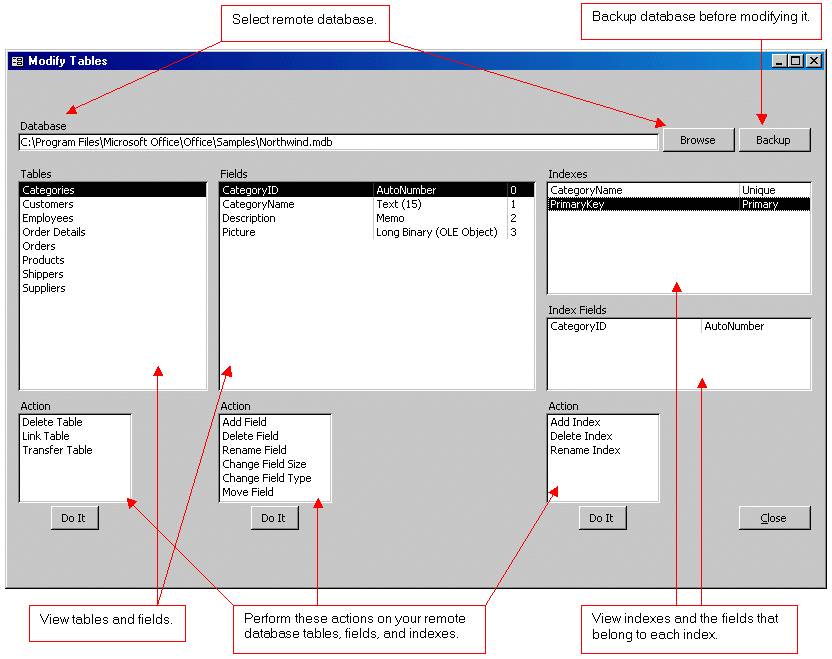
Wizard to Manage Remote Backend MS Access Database Tables Fields and Indexes

If you had an aisle-by-aisle grocery list wouldn't you spend less money on impulse items?
everything you need to create a professional corporate look mini-site is there.

Unlock Your Networking Potential with GNS3Vault
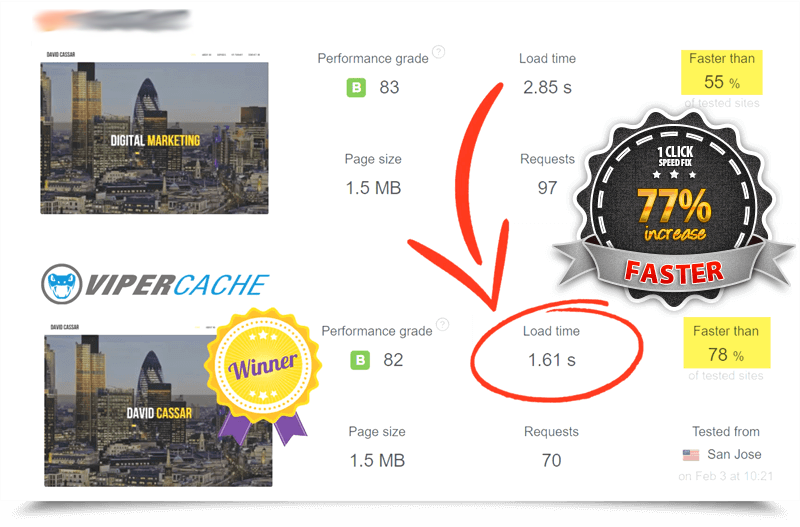
Viper Cache Was 77% Faster Than The Competetion

Understanding Stock Market Shorting eBook