🕯️ UK Marks 20th Anniversary of the 7/7 London Terror Attacks
Anniversary of the 7/7 London Terror Attacks. Today, July 7, 2025, the United Kingdom solemnly commemorates the 20th anniversary of the July 7, 2005 terrorist bombings—one of the darkest days in modern British history. Coordinated suicide attacks on London’s public transport network killed 52 individuals and injured more than 700 innocent commuters, shattering countless lives. The anniversary has drawn national reflection, official tributes, and calls for continued unity.
1. National Ceremony: Hyde Park & St Paul’s Cathedral
Hyde Park Memorial
At 8:50 a.m.—the moment the first bomb detonated—bells tolled across London. King Charles III, Prime Minister Keir Starmer, Home Secretary Yvette Cooper, and other senior figures laid wreaths at the 7 July Memorial in Hyde Park, honouring each of the 52 lives lost.
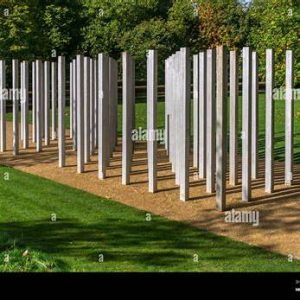
The stainless-steel memorial’s 52 pillars—each etched with location and time details—were draped in poppies and floral tributes, representing vows to “never forget” abcnews.go.com+13apnews.com+13theguardian.com+13theguardian.com+4en.wikipedia.org+4apnews.com+4.
St Paul’s Service
Later, dignitaries joined Londoners at a remembrance service within St Paul’s Cathedral, where prayers were offered, names read aloud, and personal narratives shared—from survivors and families alike thesun.co.uk+1theguardian.com+1. The act of collective memory aligned with the announcement from victims’ families: a push to teach social cohesion in schools—an educational legacy born from tragedy thetimes.co.uk+1theguardian.com+1.
2. Leadership Messages of Unity & Resilience
King Charles III
In a heartfelt message, the King reaffirmed the country’s values of democracy, freedom, and solidarity, highlighting the courage of emergency responders, Londoners, and survivors who confronted terror with compassion. He urged Britons to “stand together now—against hate and for the values that define us” iask.ca+4news.sky.com+4theguardian.com+4.
Prime Minister Keir Starmer
Then-PM Starmer emphasised unity in his remarks: “Those who tried to divide us failed. We stood together then—and stand together now.” He praised London’s bravery, strength, and refusal to bow to terror london.gov.uk+15theguardian.com+15news.sky.com+15.
Home Secretary Yvette Cooper
Cooper described the bombings as a “heinous assault on democracy”, continuing in her statement: “Amid the horror… we saw the best of people… Their courage continues to inspire us” theguardian.com.
3. Survivor Stories: Trauma, Recovery & Activism
One of the most powerful moments came from 7/7 survivors. Dan Biddle, who survived severe injuries, recalled scenes of chaos and extraordinary humanity, including subway staff guiding injured commuters from danger thesun.co.uk+2thesun.co.uk+2apnews.com+2. Another survivor, journalist Peter Zimonjic, described the scene underground, recounting “floor slicked with blood, screams echoing… I felt every human emotion” as he helped others to safety thesun.co.uk. Their testimonies illustrate both the horror of that day and the strength of collective recovery.
A broader conversation also unfolded regarding the Iraq War’s contribution to radicalization, as Neil Basu, former head of UK counter-terror policing, urged honest reflection on how foreign policy can feed domestic extremism alamy.com+15theguardian.com+15thesun.co.uk+15.
4. Charitable and Social Legacies
Victims’ families have channelled grief into action. The Miriam Hyman Memorial Trust advocates for embedding social cohesion education within schools—highlighting values of empathy, democracy, and tolerance to prevent radicalisation from youth thetimes.co.uk. Other families have initiated charities, including eye clinics and swim schools, as stories in The Guardian have shown—their heartbreak fueling public good thetimes.co.uk+2theguardian.com+2theguardian.com+2.
5. Ongoing Threat & Counter-Terror Strategy
According to Basu, the national threat level remains higher than during 2005. Factors like right-wing extremism, hate crimes, and state-sponsored disinformation compound concerns alongside Islamist terrorism theguardian.com. British counter-terror services emphasize vigilance and community integration as key components of national resilience.
6. Memorial at the Heart of the City
The 7 July Memorial—a cluster of 52 steel pillars in Hyde Park—was unveiled in 2009 to permanent acclaim theguardian.com+15en.wikipedia.org+15youtube.com+15. Today, it stands as a focal point of remembrance. Families, survivors, and passer‑bys gathered to leave flowers and reflect on the actions of bystanders, firefighters, paramedics, and those who carried the wounded to safety.
7. Public Mood: Shared Remembrance
Londoners across generations paused: commuters in silence at Tube entrances; offices dimming lights for two minutes; vigil meetings at TfL stations . Social media reverberated with remembrance tags and survivor narratives—reviving collective solidarity through adversity.
8. Reflections and Way Forward 
As the UK grapples with future threats, this anniversary reinforces key lessons:
-
Commemoration matters: Honouring each victim underscores the scale and impact.
-
Education as prevention: Embedding stories in schools may help deter radicalisation in future generations.
-
Community unity: Official and grassroots compassion remain core to resilience.
-
Policy realism: Honest reflection on the links between domestic and foreign policy can guide effective prevention.
9. Looking Ahead: Memorial and Policy Horizon
The Miriam Hyman Trust is lobbying for amendments to the national curriculum—an effort with momentum. Meanwhile, survivors like Gill Hicks, who lost her legs in the bombings, continue advocacy through arts and public speaking, marking both remembrance and renewal apnews.comtheaustralian.com.au.
🔚 Final Thoughts
The 20th anniversary of the 7/7 bombings is more than a memorial moment—it’s a reaffirmation of values. Freedom, democracy, solidarity, unity have endured, uplifted by everyday heroism and national resolve. As leaders and citizens honour the past, they reaffirm a future grounded in compassion, vigilance, and unity against any force seeking to divide.