Stop chasing the tail-end of Instagram audio trends — here are the latest trending songs on Instagram in May 2026.
Most brands and creators are active on more than one social platform — but the smart ones aren't creating fresh content for every channel. They're crossposting: publishing the same (or lightly adapted) post across multiple networks so a single piece of content reaches audiences on Instagram Reels, TikTok, X, and beyond.
Here's exactly what crossposting is, why it works, and how to do it on every major platform in 2026.
Key takeaways
- Crossposting means sharing the same (or lightly adapted) post across multiple social platforms so one piece of content can reach more of your audience without you starting from scratch each time.
- Group platforms by media type first: text (X, Threads, Bluesky, Mastodon), short-form video (TikTok, Instagram Reels, YouTube Shorts), and image (Instagram feed, Pinterest).
- Always tweak captions, hashtags, and video length for each platform — character limits range from 280 (X free tier) to 63,206 (Facebook). Reels cap at 20 minutes, while TikTok allows up to 60 minutes.
- Use Meta's native crossposting to share between Facebook, Instagram, and Threads in a single tap if you only post within the Meta ecosystem.
- Use a tool like Buffer to customize and crosspost across Meta and non-Meta platforms (X, LinkedIn, TikTok, YouTube, Pinterest, Bluesky, Mastodon) from one workflow.
- Don't crosspost blindly: content that performs with one audience can flop with another — match the post to each platform's culture, not just its specs.
Jump to a section:
What is crossposting on social media?
Crossposting is the practice of sharing the same — or slightly adapted — piece of content across multiple social media accounts you own, so one post can reach audiences on different platforms without you creating each version from scratch.
For example, musician Ren shares his videos on Instagram Reels, as seen here:
And he posts the same videos on TikTok:
@renmakesmusic a cover of a classic ❤️ #renmakesmusic #sting #messageinabottle #uksinger #livesession #ukartist
It's the same content, and he gets a ton of engagement on both platforms.
If this seems like double the work, it's actually the opposite: You can create posts once and share them everywhere your audience hangs out.
Whether you use a platform's built-in features (like crossposting between Facebook, Instagram, and Threads) or a social media management tool like Buffer, it's a streamlined process that lets you crosspost in just a few clicks.
Crossposting vs. reposting vs. repurposing — what's the difference?
| Aspect | Crossposting | Reposting | Repurposing |
|---|---|---|---|
| What it is | Sharing your own post across multiple platforms you own | Sharing someone else’s post (usually with attribution) | Reworking existing content into a new format for a different platform |
| Effort | Low — mainly small caption, hashtag, or formatting tweaks | Low — often done with a built-in share or repost feature | Higher — involves editing, rewriting, clipping, or redesigning content |
| Example | Posting the same Reel to Instagram, TikTok, and YouTube Shorts | Resharing a customer’s tweet on your own X account | Turning a 30-minute YouTube video into 6 TikTok clips |
Repurposing content is the heavier lift of the three — it's where crossposting ends and content remixing begins.
Why crosspost on social media (and when not to)
Crossposting solves a specific problem for busy creators and small businesses: how to keep an active presence across multiple platforms without doubling your workload. Here's where it actually pulls its weight.
Build a stronger social media presence
Crossposting lets you maintain an active presence on two or three platforms at once, protecting your reach if any single platform's algorithm or policies shift. One platform is a fragile foundation — algorithms change, accounts get suspended, whole networks pivot. Being on two or three platforms is just risk management.
You don't need to be everywhere. But maintaining a couple of channels is more doable when you're not creating original content for each one.
Save time
Crossposting can cut your content production time meaningfully — one piece of content can serve three to four platforms with only minor caption tweaks, which is why it's one of the most reliable ways to save time on social media.
By crossposting strategically, you spend your energy on creating high-quality content — not on logging into four different apps to publish the same post four times. That matters when you're juggling content creation alongside everything else and trying to avoid burning out.
For example, if you record a teaser video for an upcoming product launch, you can post it across Instagram Reels, TikTok, and YouTube Shorts. Adjust the captions and hashtags for each, and you're done.
Reach more of your audience
Crossposting expands your reach because most followers only use a subset of platforms — posting the same content across networks increases the odds your audience actually sees it.
Even someone who follows you on multiple platforms might miss your post on X but catch it on Threads. And because each platform has a different user base, posting on both means a follower who'd never have found your Instagram might find you on Facebook instead — that's two audiences from one piece of content.
For example, your Facebook Page might attract a different crowd than your Instagram account. Posting on both gets the same content in front of two distinct groups.
Test new platforms efficiently
Crossposting lets you experiment with a new platform without committing to a separate content stream — you can use existing content to gauge audience fit before investing further.
If you're curious about text-based platforms, you can try crossposting across X, Threads, Bluesky, and Mastodon to see where it resonates. If short-form video is your focus, the same approach works across TikTok, Instagram Reels, and YouTube Shorts.
After a few weeks, the data tells you which platform actually pulls its weight — that's where you double down. You can analyze engagement across platforms and focus your effort accordingly.
When crossposting doesn't work
When NOT to crosspost: Platform-native formats almost always need their own treatment. A LinkedIn carousel doesn't translate to Instagram. A TikTok with on-screen text in a TikTok-y font looks stale on reels. And anything tied to a platform-specific feature — Threads replies, X polls, Pinterest idea pins — lives where it lives.
How to crosspost on social media in 5 steps
A few principles save you from the most common crossposting mistakes — like accidentally leaving "link in bio" on a Facebook post, or running out of characters mid-thought on X. Here's how to crosspost without those potholes.
Step 1: Start with platforms that share similar media (text, video, or image)
The easiest way to start crossposting is to focus on platforms that share similar content types.
Which platforms work well for crossposting?
| Content type | Platforms that crosspost easily | Notes on adaptation |
|---|---|---|
| Short-form video (under 90s) | TikTok, Instagram Reels, YouTube Shorts, Facebook Reels | Keep clips under 60s for the safest cross-platform fit; rework captions and hashtags for each platform |
| Long-form text | LinkedIn, Threads, Facebook | Trim copy for Threads (500-character limit); LinkedIn supports posts up to 3,000 characters |
| Microblog / short text | X, Threads, Bluesky, Mastodon | X’s free tier is capped at 280 characters; expand into a thread where needed |
| Static image + caption | Instagram feed, Facebook, Pinterest, LinkedIn | Resize images for Pinterest (vertical 2:3 ratio); shorten Instagram captions for X reposts |
| Carousel / multi-image | Instagram, LinkedIn, Facebook | LinkedIn PDF carousels often outperform single images; Instagram supports up to 10 slides |
You can also crosspost between platforms with different media focuses (an Instagram image to X, for example), but you'll need to customize the post a bit more — because each network presents content differently.
For instance, on X, the caption appears first, followed by the image, so a strong text lead-in works best. On Instagram, the caption sits below the photo and gets cut off after the first couple of lines, which rewards a shorter hook.
For example, Shopify posted this photo to Instagram:
And then again on X:
iphone: your storage is full
me: how can it be full already?my camera roll: pic.twitter.com/gg73s0lOJ5
— Shopify (@Shopify) December 4, 2024
Each post has a slightly different caption to suit the platform. Because X shows text first, followed by the image, having a strong text lead-in makes sense.
Meanwhile, Instagram's caption appears after the photo in followers' feeds and gets cut off after the first couple of lines, prompting followers to click it if they want to read the whole thing. So a shorter caption makes sense there.
Step 2: Match your content to each platform's audience
Every social platform has its own culture and audience expectations. Whatever you share, stay consistent with the style each audience expects.
For example, TikTok tends to be more spontaneous and off-the-cuff than Instagram Reels, so something polished can land flat there.
I learned this the hard way. I'd built an audience of e-commerce marketers on X and a different audience of content marketers on LinkedIn — so when I crossposted my e-commerce stuff to LinkedIn, it died. The content marketing posts kept performing fine. Same writer, same effort, wrong audience.
Step 3: Customize captions, hashtags, and dimensions for each platform
Every platform has its own norms and technical limits. A few things to adjust before you hit publish:
Character limits to know before crossposting:
- X (free tier): 280 characters
- X Premium: 25,000 characters
- Threads: 500 characters
- Bluesky: 300 characters
- LinkedIn: 3,000 characters
- Instagram captions: 2,200 characters
- Facebook posts: 63,206 characters
- TikTok captions: 2,200 characters
Maximum video lengths by platform:
- Instagram Reels: 20 minutes
- TikTok: 60 minutes
- YouTube Shorts: 3 minutes
- X: 2 minutes 20 seconds (free tier)
- LinkedIn: 10 minutes (feed) / 15 minutes (mobile upload)
- Threads: 5 minutes
Image sizes: Make sure your images and videos meet each platform's recommended dimensions. Here's our handy guide to the latest social media image sizes.
Platform specifics: Seeing 'link in bio' on a Facebook post immediately signals that the content was copied without customization. Make sure you remove or update platform-specific mentions, so each post fits the platform you’re sharing it on.
Optimal posting times: Your audience's active hours can vary by platform. Schedule your crossposted content when your followers are most likely to engage on each specific platform. Buffer's analytics can help you figure out the best time to post for your audience.
Step 4: Use Meta's built-in crossposting between Instagram, Facebook, and Threads
If you're posting within the Meta ecosystem — Instagram, Facebook, and Threads — you can use Meta's native crossposting features to publish to all three at once.
Here's how to crosspost from Instagram to Facebook step by step:
- Link your accounts: In Instagram, go to your Accounts Center > Connected experiences and connect your Facebook Page.
- Enable sharing on each post: When you create a post or reel, toggle on Also share on Facebook.
- Publish once, appear twice: Your content publishes simultaneously to both your Instagram and Facebook feeds.
The same flow works for Threads: If your Threads profile is connected to your Instagram account, you can crosspost between the two from the Threads composer.
This native option only works within Meta's network, and it's most useful for spontaneous content where you want a one-tap share. For everything beyond Meta — X, LinkedIn, TikTok, YouTube, Pinterest, Bluesky, Mastodon — you'll need a social media management tool.
Step 5: Use a tool to crosspost across all your channels
Crossposting manually means logging into three or four platforms, copying captions, resizing media, and remembering which hashtag rules apply where. A tool that handles the repetitive part lets you spend your time on the actual content — which matters when you're trying to keep up a consistent social media strategy without stretching yourself too thin.
That's where the next section comes in.
How to crosspost to multiple social media platforms at once with Buffer
Crossposting manually can be tedious and time-consuming. We recommend using a social media management platform like Buffer that makes crossposting a breeze.
With Buffer, you can:
- Draft and schedule posts to multiple channels at once
- Customize content for each platform as you schedule
- Use the AI Assistant to adapt your content for different platforms
- Duplicate posts you've already drafted or published
- Schedule posts at the right time for each platform
Here's how it works:
- Connect your channels: Add the social accounts you want to crosspost to (Buffer's free plan supports up to three channels).
- Draft your post once: Write your caption, attach your image or video, and pick the channels you want it on.
- Customize per platform: Tweak each caption, swap hashtags, and trim character count where needed — Buffer keeps each version in the same composer, so you're not copy-pasting across tabs.
- Adjust media for each channel: Buffer flags when an image or video is the wrong size for a specific platform, so you can resize before scheduling instead of after publishing.
- Schedule for the best time on each channel: Use Buffer's posting time recommendations to schedule each version when its audience is most active.
Beyond the basics, Buffer's AI Assistant can adapt your caption to each platform's norms (helpful when you're moving from a long LinkedIn post to a 280-character X version), and you can duplicate any post you've already drafted or published to crosspost it again later.
Buffer's free plan covers up to three channels, which is enough to test whether crossposting actually saves you time before committing to a paid plan. You can get started with Buffer for free.
FAQs about crossposting
Is it OK to share the exact same post on every platform?
Yes, you can share identical posts to every platform — but small tweaks to caption length, hashtags, and video format will significantly improve performance, because each platform has different conventions for tone and formatting.
What's the difference between crossposting and reposting?
Crossposting means sharing your own content (or a lightly adapted version) across multiple platforms you own at the same time — for example, posting the same reel to Instagram, TikTok, and YouTube Shorts. Reposting means sharing someone else's post on your own account, usually with attribution and often via a built-in share or repost button.
Does crossposting hurt your reach or get penalized by social media algorithms?
“There’s no clear evidence that major platforms directly penalize creators for crossposting content from other platforms. However, recycled content with visible watermarks or poor platform fit may perform worse. The bigger risk isn't algorithmic — it's audience mismatch. Content that flops with the wrong audience looks worse to that platform's algorithm than the act of crossposting itself.
What's the best tool for crossposting on social media?
The best crossposting tool depends on which platforms you use. Meta's built-in features handle Facebook, Instagram, and Threads natively at no cost. For crossposting beyond Meta — including X, LinkedIn, TikTok, YouTube, Pinterest, Bluesky, and Mastodon — a social media management tool like Buffer lets you draft once, customize per platform, and schedule everything from a single dashboard. Buffer's free plan supports up to three channels, which is enough for most creators starting out with crossposting.
What is crossposting on Instagram?
Crossposting on Instagram is a built-in feature that lets you share an Instagram post or reel to a linked Facebook Page or Threads profile in one tap, with no separate upload required. After you connect your Instagram professional account to a Facebook Page, you just switch on Also share to Facebook before you publish on Instagram — the post then shows up natively in both feeds with no extra upload time. The same flow works for Threads when your profile is linked to your Instagram account.
What's a quick example of crossposting?
A simple example of crossposting: shoot one 60-second product demo, upload it as an Instagram Reel, then share the same clip to TikTok and YouTube Shorts with adjusted captions and hashtags — three audiences reached from one piece of content.
More social media marketing resources
- The 9 Best AI Image Generators (+ Examples)
- The 11 Best Social Media Analytics + Reporting Tools
- Social Media Engagement: 11 Ways to Boost Yours + Why it Matters
- 8 Essential Social Media Collaboration Tools — Tried + Tested by the Buffer Marketing Team
- The Best Time to Post on Social Media in 2026: Times for Every Major Platform
Recommended Story For You :
Organize Keywords and Import CSV Files from the Google Keyword Planner
The Most Affordable And Easiest User Friendly Page Builder You Will Ever Use!

Instant WordPress Theme That Matches Your Website
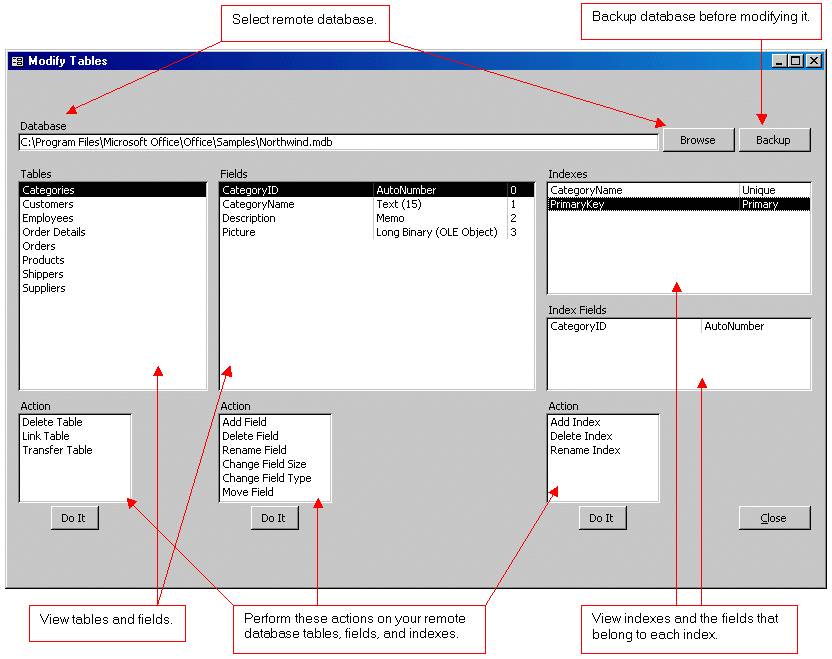
Wizard to Manage Remote Backend MS Access Database Tables Fields and Indexes

If you had an aisle-by-aisle grocery list wouldn't you spend less money on impulse items?
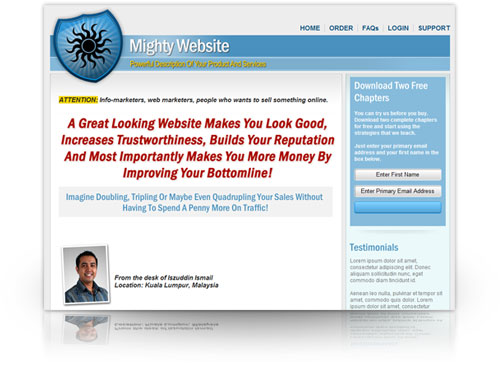
everything you need to create a professional corporate look mini-site is there.
Unlock Your Networking Potential with GNS3Vault
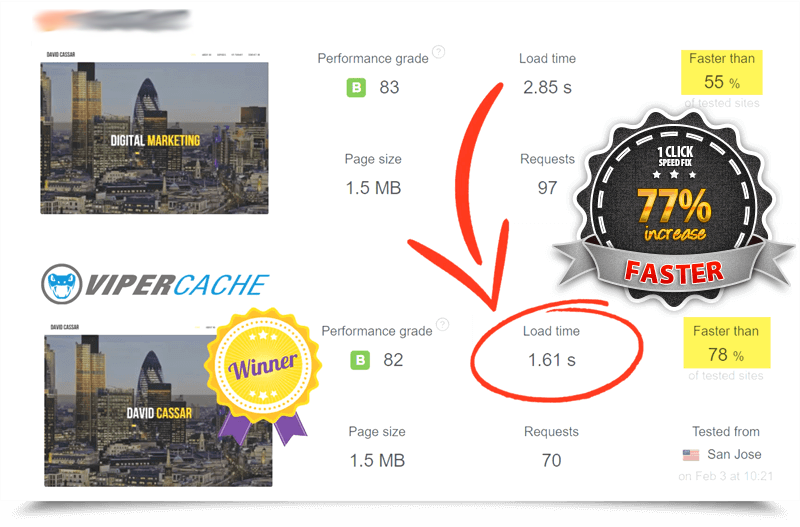
Viper Cache Was 77% Faster Than The Competetion

Understanding Stock Market Shorting eBook