Video game discourse currently sucks. Sure, it wasn’t always stellar, but I was pretty sure I remembered a time when I both looked forward to talking about new games and reading the reactions to new titles on the Internet. Were those fake memories? Was the Internet always this insufferable?
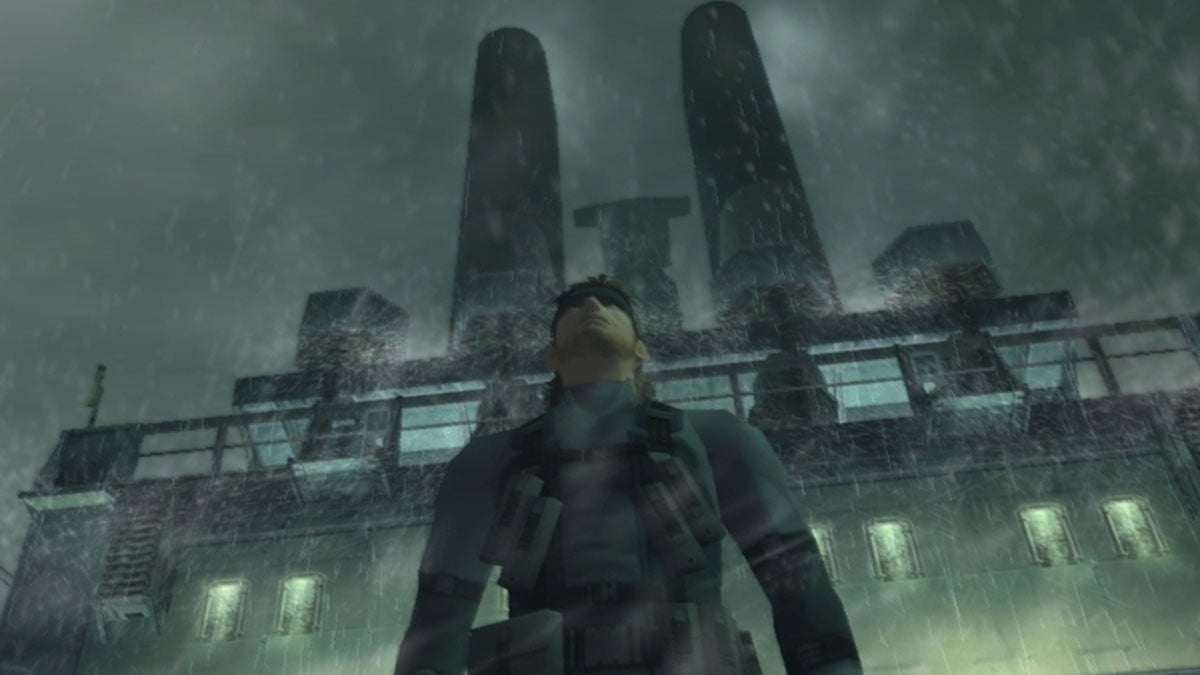
It’s November 2001, and kid me was trying to catch a break from the daunting escalating political and military turmoil contaminating all TV by playing the just-released Metal Gear Solid 2. I had the best time. When turning to the Internet, however, I came to the surprising realization that most didn’t share my opinion.
Despite its massive technical achievements, MGS2 took many narrative risks that didn’t sit well with fans. With its 25th anniversary on the horizon, let’s see how different the backlash to then-biggest game on the PS2 felt.
Twitter user José Mellinas very nicely compiled some of the angriest reactions from when Limp Bizkit and Nu-Metal in general were like gospel for gamers, and, surprisingly, they’re pretty reasonable.
The most immediate point of contention for MGS2 is that even though the promotional materials pointed at it, we do not play as Solid Snake for the vast majority of the game.
I love how, even though people are pretty disappointed at getting stuck with someone other than Snake, the harshest they go is to say Raiden, the replacement, is uncool and, in the absolute most vitriolic moment, “girly.”
Back then, players commented that they felt cheated, whereas nowadays I can only imagine them accusing Kojima of committing treason against gamer nation.
Nowadays, Saros gets targeted by a coordinated AI-slop-fuelled hate campaign because it is “woke.” And by woke, I mean a British actor of Indian descent plays the main character.
And sure, MGS2 would’ve caught less crap because it isn’t a woke game. And by not woke, I mean it’s a game starring capable white male protagonists in a world featuring enough American militarism and enough anime aesthetics to keep most right-wing grifters from noticing the myriad surprisingly nuanced, deep, and history-vindicated anti-capitalist commentary.
I didn’t require 25 years to realize why so many people had problems with MGS2, and I’m sure most of its early detractors also found a lot to love shortly after the first impact. A lot of that was made possible through conversation. If you were there, I’m confident you can easily entertain the possibility that MGS2 is simultaneously the dumbest and smartest video game of all time.
If you’re a younger gamer, however, what you just read might sound utterly nonsensical. That’s in large part because Kojima, yeah, but also because people don’t know how to discuss video games anymore. And, worse, the powerful people who got that ball running and have convinced so many to search for their enemies below, definitely not above, don’t want that to change.
Interestingly, one game predicted a lot of this a very long time ago. Wanna guess which?
If you’re looking for a 25-year-old game to play and perhaps learn some lessons from, this is absolutely it.
The post I miss the “vitriolic” game fan talk of the early 2000s appeared first on Destructoid.
Dead as Disco is now available worldwide in early access, and you can tweak the in-game settings to get the best performance on your PC. The first few hours have been pretty positive, and I didn’t encounter many stutters or lags.
That said, this guide will solve the problem of any lag if you’re encountering it on your adventure.
Best Dead as Disco graphics settings
Before I deep dive into the settings, here’s how my current setup looks.
- AMD Ryzen 5600G
- NVIDIA RTX 3060 12 GB
- 16 GB of DDR5 RAM
If you visit the Steam page of Dead as Disco, you won’t find the recommended settings. The minimum requirements are present, and this guide is meant for those who have a relatively weaker setup. If you’re having a powerful set of specifications, chances are that the game is running pretty smoothly.
- Window Mode: Windowed Fullscreen/Fullscreen
- Vertical Sync: Off
- Global Illumination Mode: Off/SSGI. Don’t go for Lumen as it will consume more hardware.
- Global Illumination Quality: Medium
- Shadows: On
- Shadows Quality: Medium/Low
- View Distance: Far
- Textures: Medium
- Effects: Medium
- Reflections: Low
- Post Processing: Medium
- Anti-Aliasing: Medium
- Upscaling Method: Use what’s applicable for your device.
- Frame Generation: Off
- Anti-Lag: Yes, if you have an NVIDIA card.
- Chromatic Aberration: On
- Speed Lines: Off
- Frame Rate Limit: 60 FPS
- Frame Rate Limit (Background): 30 FPS
- Frame Rate Limit (Menu): 60 FPS
Since our aim is to get a steady performance, I have kept a cap on the frame rate. While there are higher options above 60 FPS, the limit smoothens the overall performance. I faced no lag at 60 FPS, and it’s sufficient to enjoy the game. This limit can be slightly increased once Dead as Disco receives a few post-launch updates.
Vertical Sync is another option that you should keep turned off. You gain very little from it, while keeping it turned off allows your PC to consume fewer resources. Finally, use an Upscaler as applicable since it will keep the lags at bay.
All said, Dead as Disco‘s day one performance is pretty satisfactory, and I expect it to get better once the early access version moves closer to full launch.
The post Best Dead as Disco graphics settings for no lag and max FPS appeared first on Destructoid.
Recommended Story For You :
Think of it as a GPS system for World of Warcraft

FIFA 2023 ULTIMATE TEAM MILLIONS MADE EASY
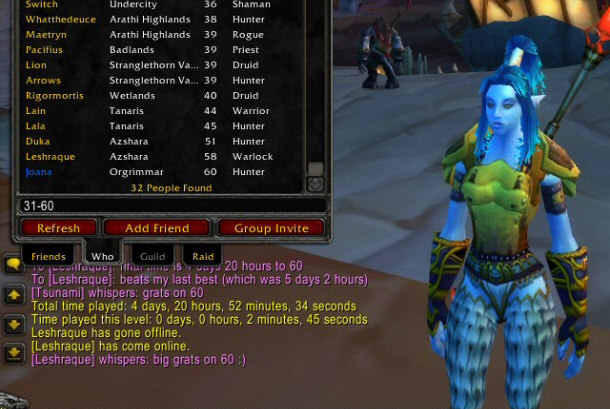
Joana's Clssic WotLK 1-80 & Era 1-60 Speed Leveling Guides

Empowering Gamers with the Ultimate Secret Gold Guide
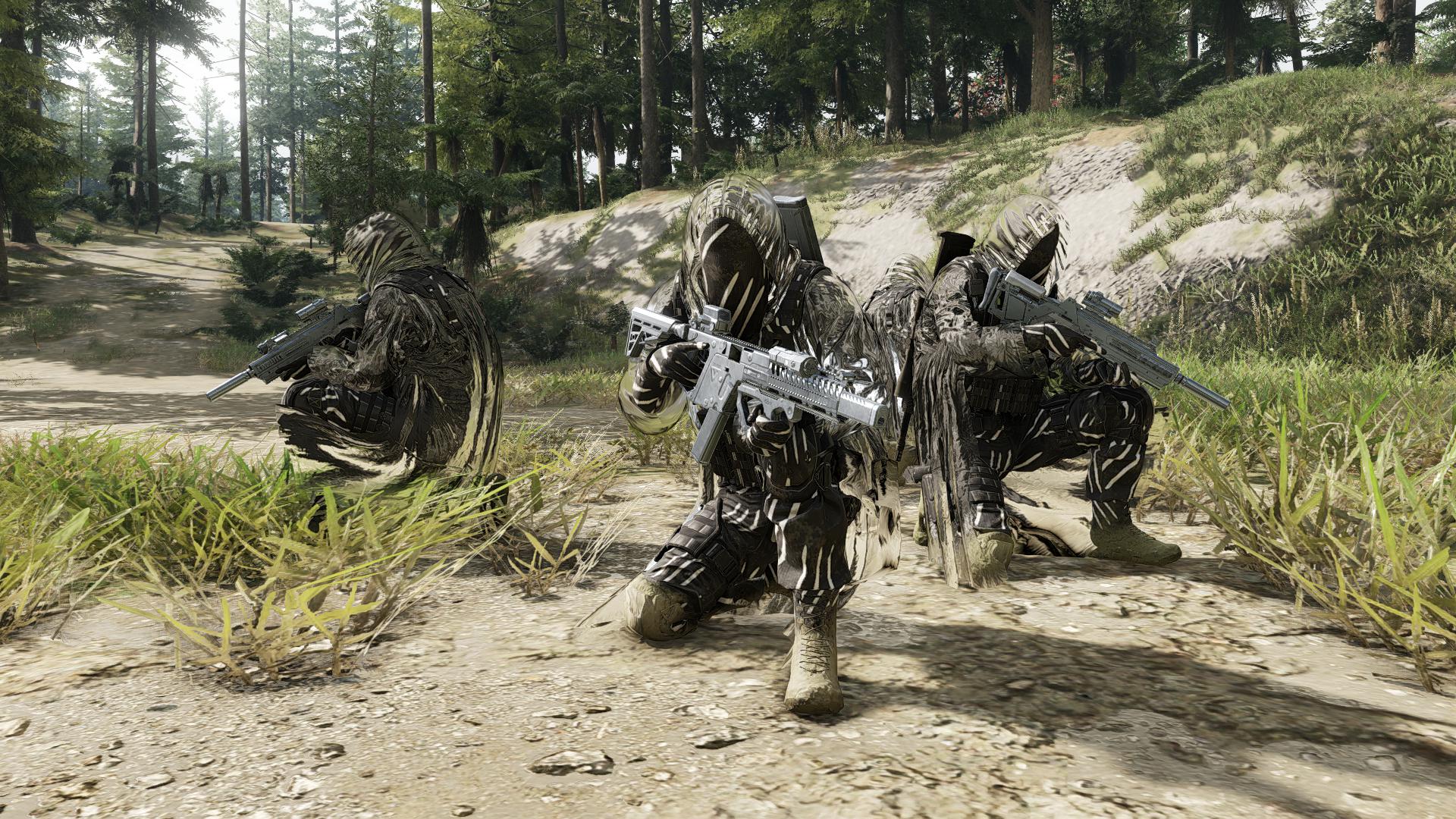
A Practical Guide For Tactical Gaming

Terra Game - Where Adventure Awaits!