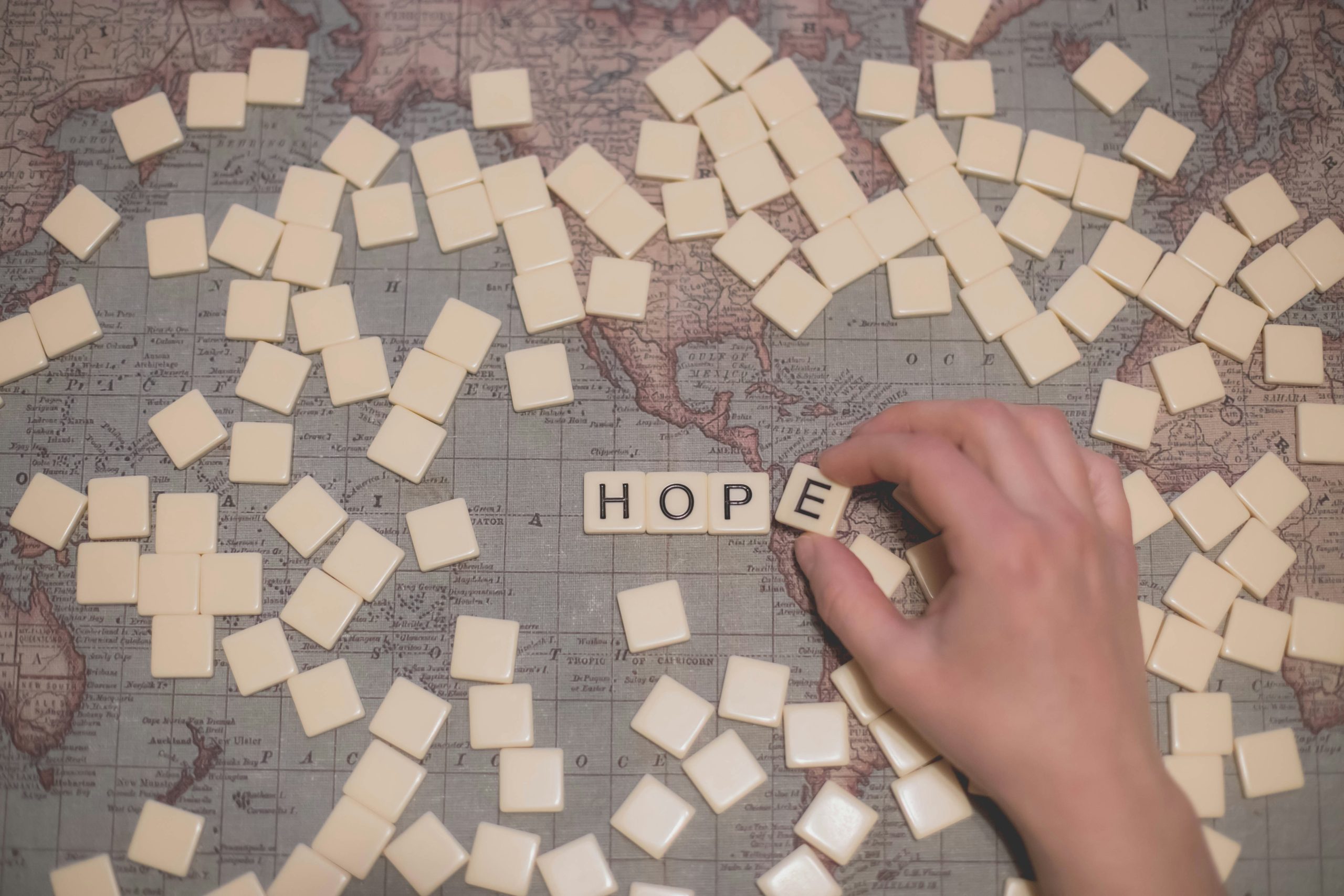
Why Hope Is a Leadership Strategy written by John Jantsch read more at Duct Tape Marketing
Listen to the full episode: Overview On this episode of the Duct Tape Marketing Podcast, John Jantsch interviews Dr. Julia Garcia, psychologist, speaker, and author of “The Five Habits of Hope.” Julia shares how hope isn’t just a feeling—it’s a set of practical habits that anyone can build to move from survival to thriving. Drawing […]
Why Hope Is a Leadership Strategy written by John Jantsch read more at Duct Tape Marketing
![Dr. Julia Garcia]() Overview
Overview
On this episode of the Duct Tape Marketing Podcast, John Jantsch interviews Dr. Julia Garcia, psychologist, speaker, and author of “The Five Habits of Hope.” Julia shares how hope isn’t just a feeling—it’s a set of practical habits that anyone can build to move from survival to thriving. Drawing on research, client stories, and her own journey overcoming adversity, Dr. Garcia explains how reframing adversity, processing emotions, and building real community can turn even the darkest moments into sources of strength and innovation.
About the Guest
Dr. Julia Garcia is a psychologist, speaker, and author dedicated to making hope a practical tool for transformation. Through her Five Habits of Hope framework, she helps organizations, leaders, and individuals build resilience, process adversity, and foster cultures of belonging and growth.
- Website
- Book: The Five Habits of Hope
- Podcast: Journey with Dr. J
Actionable Insights
- Hope is not just a mindset or emotion—it’s a set of learnable, repeatable habits that can be built by anyone, even in adversity.
- The Five Habits of Hope blend emotional processing, reframing adversity, building community, taking emotional risks, learning to release, and repurposing pain into purpose.
- Reframing adversity starts with replacing negative language and identities (“I’m worthless”) with healthier narratives (“I’m worth more” or “I’m also courageous”).
- Emotional risk isn’t about adrenaline—it’s about opening up, expressing emotion (even joy), and connecting with others despite the risk of rejection.
- Community and belonging are essential—loneliness can strike anyone, but habits of hope help build genuine connection and support.
- Release is essential: Letting go of what you’re holding—stress, pain, pressure—creates space for growth and new stories.
- Hope is built by going inward, not through outward achievement; it’s about aligning your inner narrative with your real values.
- In business and teams, hope habits boost collaboration, creativity, retention, and create environments where people contribute—not just consume—culture.
- Measuring hope is less about “getting better every day” and more about having a repeatable process for returning to hope when you feel lost.
Great Moments (with Timestamps)
- 01:02 – Hope as a Habit, Not Just a Feeling
Why hope is a learnable process, not just a fleeting emotion. - 02:47 – The Dark Side of Hopelessness
Julia’s personal journey and the universal struggle with despair. - 04:22 – The Five Habits of Hope (Overview)
From owning your story to repurposing pain into purpose. - 06:13 – Reframing Adversity with Language
How changing your self-talk can reshape your identity and outcomes. - 07:35 – Emotional Risk and Real Connection
Why being vulnerable is the key to breaking loneliness and building community. - 10:24 – Measuring Progress with Hope
Why inward alignment is more important than outward achievement. - 12:35 – Hope in Business and Teams
How leaders can build cultures of hope, collaboration, and innovation. - 14:47 – The Power of Release (Exercise)
A hands-on exercise to let go of stress and create space for hope. - 18:05 – Realistic vs. Unrealistic Hope
Why hope starts with honesty, not false positivity. - 19:09 – Hope as a Practical Strategy
How habits of hope drive innovation, leadership, and culture change.
Insights
“Hope is a habit, not just a feeling—there’s always a way back to it, no matter how lost you feel.”
“You can’t have hope without honesty. The first step is to face your feelings and own your story.”
“Release isn’t weakness—it’s how we make space for growth, change, and new beginnings.”
“In business, hope drives creativity, collaboration, and real contribution—not just survival.”
John Jantsch (00:00.976)
Hello and welcome to another episode of the Duct Tape Marketing Podcast. This is John Jantsch. My guest today is Dr. Julia Garcia. She’s a psychologist, speaker, and author who has dedicated her career to teaching the science and practice of hope. Her Five Habits of Hope framework blends research, client stories, and her own journey overcoming adversity. She’s worked with organizations, schools, and leaders to help them move from survival to thriving.
Making hope a practical tool for transformation. We’re going to talk about her new book, The Five Habits of Hope, Stories and Strategies to Help You Find Your Way. So Julia, welcome to the show.
Julia (00:40.184)
Thank you so much for having me. I’m excited to be here.
John Jantsch (00:43.686)
So and I’m sure you get asked this all the time. I know you have an answer for this, but I’ll tee it up anyway You know a lot of people think of hope is like an emotion or a mindset and you’re reframing it actually as a habit not just something that Happens to you, but something you actually can control so unpack that for me
Julia (01:02.924)
Yeah, definitely. Well, I guess the best way to explain this is, do you know when you have hope? Do know when you feel it? Would you agree? Okay. And do you know when you don’t? Have you ever felt like you didn’t have it?
John Jantsch (01:11.413)
Yes, yes, yes.
John Jantsch (01:17.166)
Yeah, you know, like we’re down by three touchdowns and there’s three minutes left, right?
Julia (01:19.854)
Exactly. So you know when you have it and you know when you don’t. it’s one of those things that’s connected to our feelings. And so the biggest thing is we don’t always have a process or a way to navigate our feelings. So when we do that, then we can always have a process back to hope. So it starts with emotional habits to help us build and navigate back to hope. Because at the end of the day, I could tell you,
Hope is a cognitive science, but it really comes down to how you feel about it. And so if you’ve got feelings that are blocking you from having hope, then what we need to do is actually focus on how we process and navigate our feelings with emotional habits of hope.
John Jantsch (02:03.046)
And I think we’ve all experienced people that probably shouldn’t have that much hope, but they seem to, right? I mean, like they’re in a situation where you think I would never want to find myself in that situation, but that person still seems pretty hopeful. I mean, I think that explains a little of what you’re talking about, isn’t it?
Julia (02:08.366)
If all’s hope is not the same.
Recommended Story For You :

How To Make $3493 Commissions Without Doing Any Selling

Successful dropshippers have reliable suppliers.

People Think I Use A Professional Voiceover Artist. NO! I Just Use Speechelo!

Make Money Testing Apps On Your Phone Or Tablet

Make More Money or Lose Everything

Sqribble Is The ONLY eBook Creator You’ll Ever Need.

Work & Earn as an Online Assistant
Create Ongoing Income Streams Of $500 To $1000 Or More Per Day

It's The Internet's Easiest Side Business.

without the right system making money on the web is almost impossible.
Related Posts
Your Google Business Profile Is the Secret to Local SEO
Your Google Business Profile Is the Secret to Local SEO written by John Jantsch read more at Duct Tape Marketing…

Trust, Storytelling, and the Future of Brands
Trust, Storytelling, and the Future of Brands written by John Jantsch read more at Duct Tape Marketing Listen to the…

10 Questions Small Business Owners Should Ask Before Hiring a Marketing Agency
10 Questions Small Business Owners Should Ask Before Hiring a Marketing Agency written by John Jantsch read more at Duct…